

Bokeh Photography Explained: Understanding the Art of Background Blur
In photography, bokeh refers to the aesthetic quality of background blur created by a lens. It is a technical and artistic term and has no relation to video content or non-photographic media.
Bokeh. It’s that dreamy, creamy background blur that makes photos pop, turning ordinary backgrounds into soft, glowing magic. It’s one of those effects that can take a photo from “nice” to “stunning,” adding depth, dimension, and an almost cinematic quality to an image.
But have you ever stopped to wonder why bokeh looks the way it does? But what actually creates this effect, and why does it look the way it does? Why do some images have smooth, buttery backgrounds while others have choppy, distracting blur? Why do some lenses produce perfectly round bokeh balls, while others create shapes like hexagons or even cat’s eyes?
Bokeh isn’t just about blur, it’s about how your lens renders that blur, creating the perfect balance between subject and background. In portrait photography, for example, bokeh isolates your subject, ensuring they’re the star of the shot, while in product photography, it helps highlight details that you want the viewer to focus on.
It all comes down to two major factors: aperture and focal length. Everything from the number of aperture blades in your lens to the shape of the opening affects how bokeh appears in your photos. Different lenses create different bokeh effects, and understanding the science behind it can help you make more intentional choices when shooting.
Whether you’re capturing portraits, macro shots, or even product photography, mastering bokeh can transform your images. So, let’s break it down—what makes bokeh good or bad, why your lens plays a bigger role than you might think, and how you can use this knowledge to create beautifully blurred backgrounds that elevate your photography.
This post contains affiliate links. If you click on a link and make a purchase, I may receive a small commission at no extra cost to you. These commissions help support the content I create. Thank you for your support!
Why Bokeh Matters in Photography
Beyond just looking pretty, bokeh plays a big role in storytelling. It draws attention to your subject, removes distractions, and can create an emotional mood. I use bokeh all the time in my portrait work, isolating subjects against the chaos of a background, and when I’m shooting dirt bike photography, I love using it to subtly separate the rider from the landscape without losing context.

What Actually Is Bokeh?
The term “bokeh” (pronounced BOH-kay or BOH-kuh) comes from the Japanese word “boke,” meaning blur or haze. In the context of photography, bokeh refers to the aesthetic quality of the out-of-focus areas in an image. Bokeh isn’t just about blur; it’s about how that blur is rendered. Some lenses create smooth, creamy bokeh, while others produce harsh or distracting blur patterns.
The key to understanding bokeh lies in the way light interacts with your lens’s aperture blades. Depending on how many blades a lens has and whether those blades are rounded or not, you’ll get different shapes of out-of-focus highlights. So, what does good bokeh look like? Well, it’s typically a soft, smooth blur that complements the subject and doesn’t distract from it. Ideally, the bokeh should have round, well-defined highlights (like points of light in the background) that don’t appear harsh or jagged. On the other hand, poor bokeh might feature rough, angular highlights, creating an unpleasant and distracting background.
How Your Lens Creates Bokeh
Here’s where things get interesting—not all bokeh is created equal. You’ve probably noticed that some background blur is buttery smooth, while other times, it looks choppy, distracting, or even full of weird shapes. That’s because bokeh isn’t just about getting a blurry background; it’s about how your lens renders that blur.
The key lies in the way your lens bends light. Every point of light that falls out of focus transforms into the shape of the lens aperture, which is why different lenses create different bokeh effects. The number of aperture blades, focal length, and optical design all play a role in shaping the blur. Let’s break it down.
1. Aperture Shape and Blade Count
Inside every lens is an aperture made up of multiple blades that open and close to control how much light enters (Shown above). The number and shape of these blades determine the shape of your bokeh.
What is Aperture in Photography?
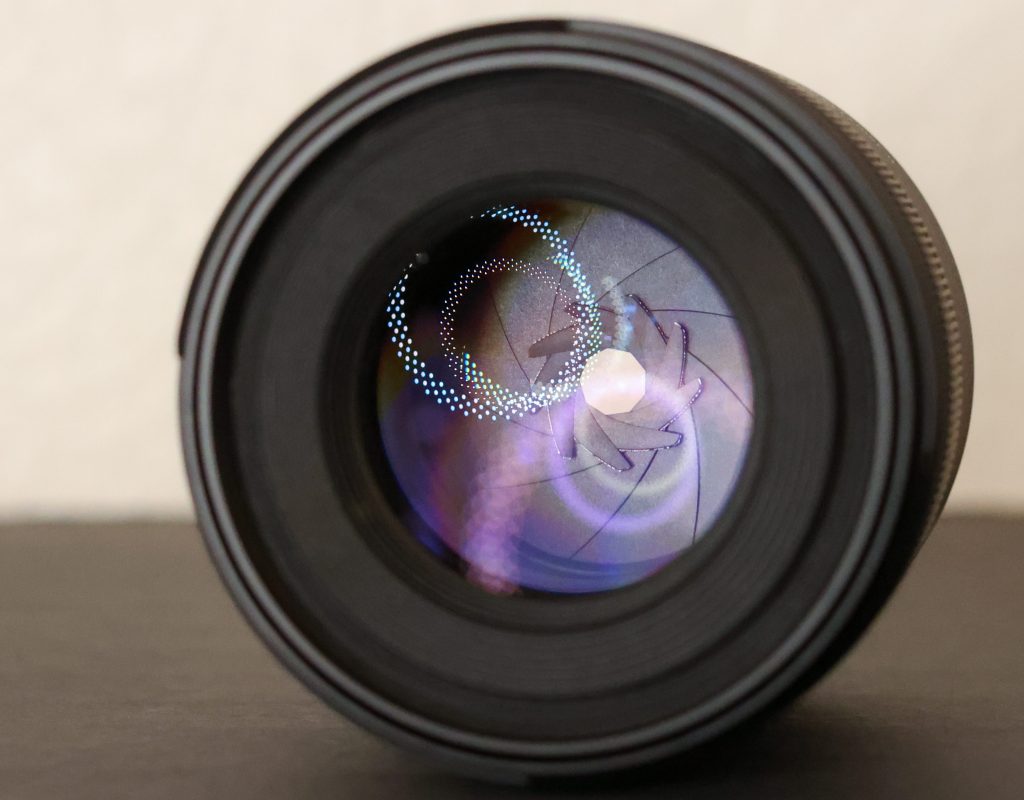
- More blades = smoother, rounder bokeh. Lenses with 9+ rounded aperture blades (like Canon RF 50mm f/1.2L) create those soft, dreamy bokeh balls.
- Fewer blades = more angular bokeh. If your lens has 5-7 straight-edged blades, you might notice stop-sign-shaped or polygonal bokeh, especially when stopping down.
- Imperfectly rounded blades = slightly distorted bokeh. Some lenses create oval or cat’s-eye bokeh toward the edges of the frame due to how the aperture blades interact with light.
I can tell you firsthand, the difference is noticeable. The Canon RF 50mm f/1.2L, with its 10 rounded blades, produces some of the creamiest bokeh I’ve ever seen. Meanwhile, a cheaper 50mm f/1.8 lens with a 7-blade aperture has bokeh that looks choppier, less uniform, and looks more like a lemon shape.


Cheap Lenses vs. Expensive Lenses: Is Price Really Worth It?
2. Focal Length and Compression
Focal length significantly impacts the quality of bokeh. A longer focal length—such as 85mm, 135mm, or even 200mm—naturally compresses the scene, making the background appear closer to the subject, which enhances the blur effect. This compression makes it easier to achieve a soft background with less effort compared to shorter focal lengths like 35mm or 50mm.
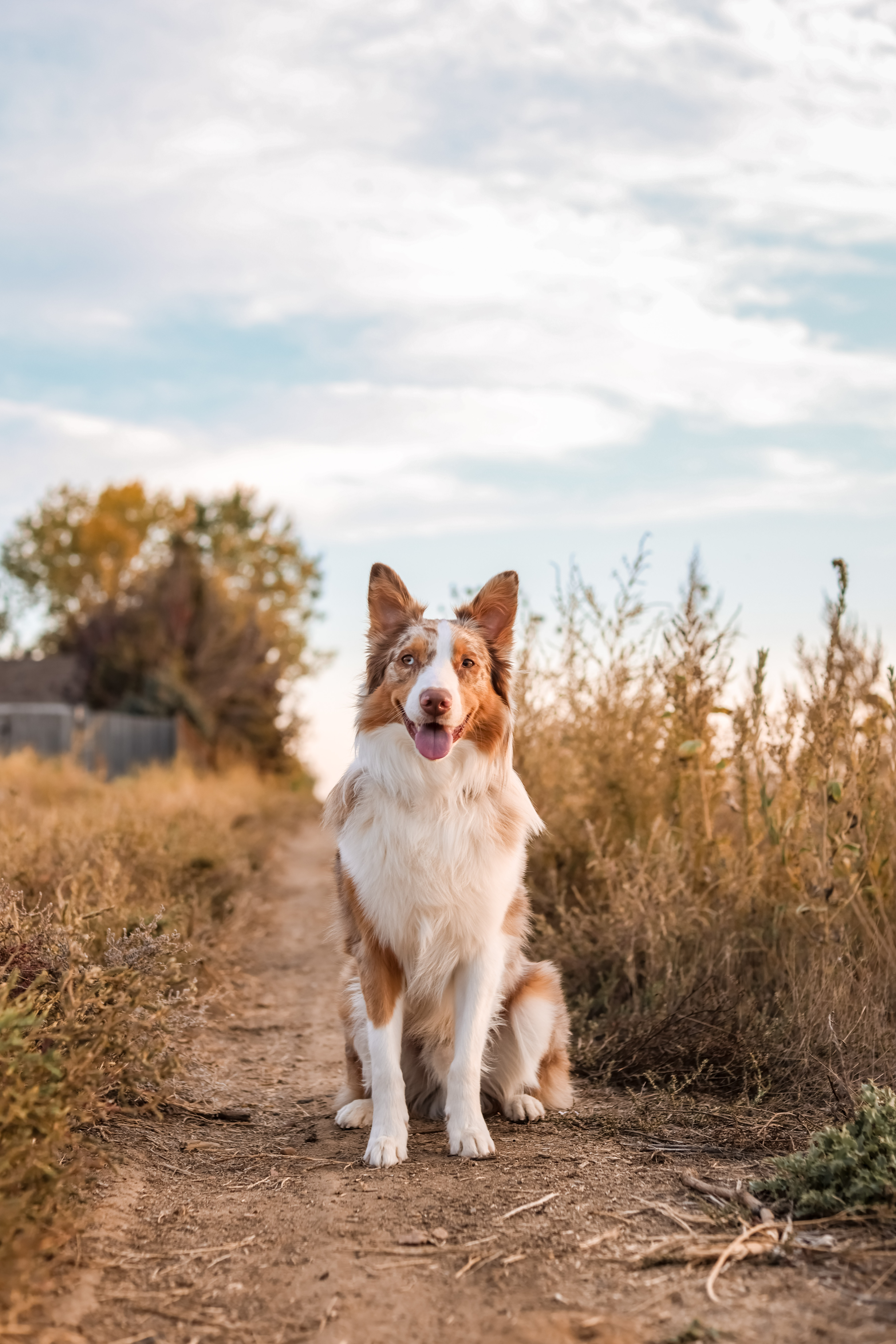

Longer focal lengths (like 85mm, 135mm, and beyond) create stronger subject separation and compress the background more, making the bokeh appear larger and smoother. That’s why an 85mm f/1.2 lens has some of the best portrait bokeh. It naturally isolates the subject and melts the background away.
A wider lens (like a 35mm) at the same aperture, will still blur the background, but the bokeh won’t have the same dreamy effect. This is because the wider focal length doesn’t compress the scene as much as a longer lens does. When you use a 35mm lens, you’re capturing more of the environment, meaning you’re not just isolating the subject in a tighter frame. This leads to a background that’s not as strongly separated from the subject, and the blur can appear less pronounced and less smooth. The bokeh may look a bit “busier,” with more visible details in the background. That’s why while a 35mm lens can give you a nice background blur, it often doesn’t achieve the same level of smoothness and compression that an 85mm can.
- Wide Lenses – 35mm f/1.8: While you can still create a background blur, the bokeh effect is more subtle compared to a longer lens. The depth of field will be wider, and you might need to be closer to your subject to achieve a pronounced blur. Even at f/1.8, you’ll still see a lot of environmental detail.
- Mid-range Lenses – 50mm f/1.2 & 85mm f/1.2: With mid-range lenses, you get much more pronounced compression and a significantly softer background, even at smaller apertures. This makes it ideal for portraits where you want a subject to stand out against a smooth, blurred background. These give you a nice balance—strong background blur without too much compression.
- Telephoto Lenses – 100-500mm F4.5-7.1: These obliterate the background, creating extreme subject separation. At 100mm or higher, the background blur is incredibly strong, even with a relatively smaller aperture like f/4.5. This lens allows you to isolate your subject even more effectively by creating a highly compressed, blurry background.
This is why the 85mm f/1.2 and my 50mm f/1.2 are two of my favorite portrait lenses. It gives just the right amount of compression, making subjects pop while keeping the bokeh smooth and natural. Compare that to a 35mm at the same aperture, and while you still get some blur, it won’t have that same dreamy effect.
Understanding Camera Lenses: A Beginner’s Guide
3. Depth of Field and Distance Matters
Even if you’re using the same lens, the way bokeh appears changes depending on how you shoot.
- Closer subject = stronger blur. If you’re standing just a few feet from your subject, the background will blur out beautifully.
- Farther background = smoother bokeh. The greater the distance between your subject and the background, the softer the blur will be.
- Macro photography = extreme bokeh. Ever wonder why macro shots have such intense blur? It’s because the depth of field is razor-thin at close distances, making everything else melt away.

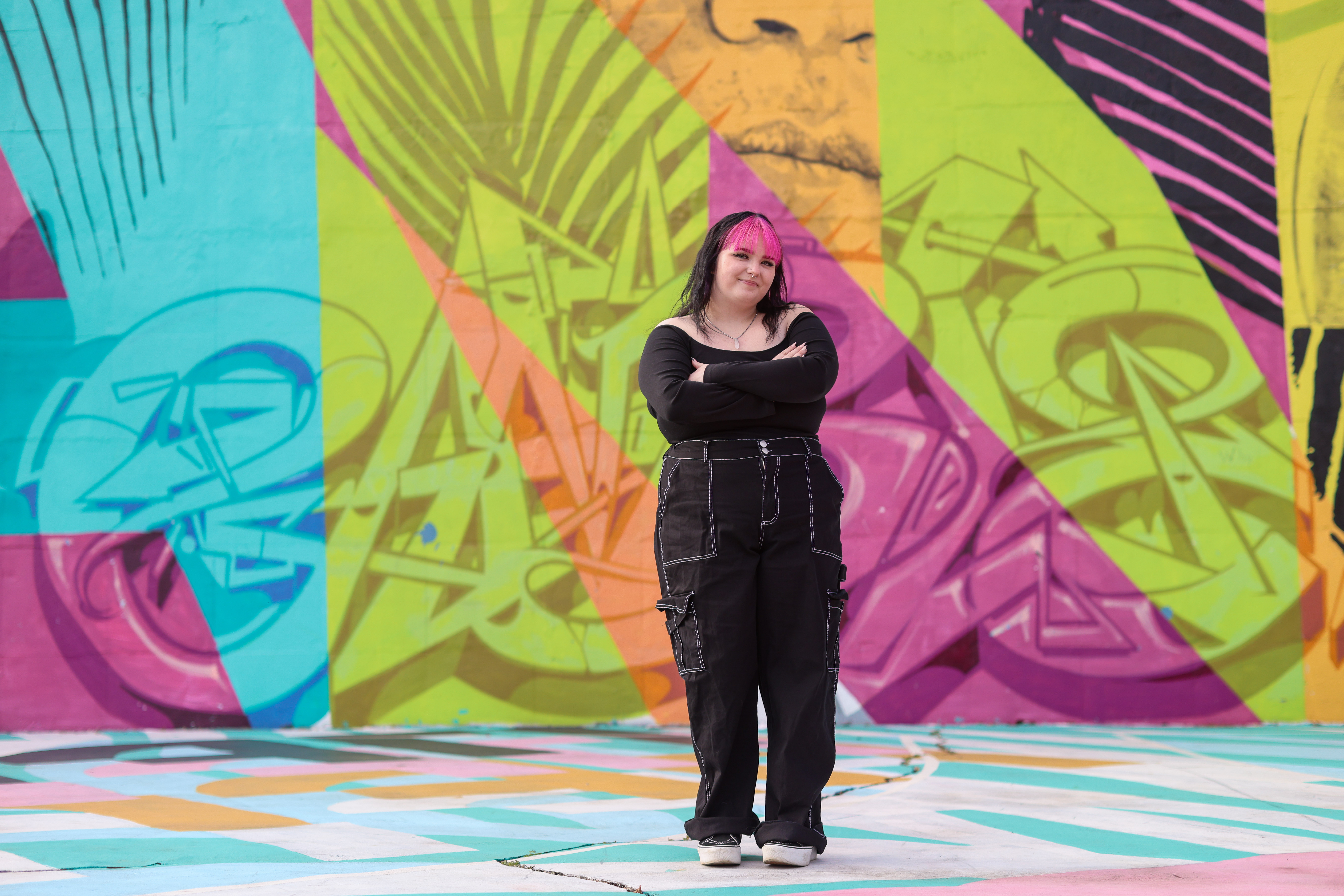
That’s why you’ll see me getting low and close when I shoot portraits with my 50mm f/1.2. The closer I get, the stronger the blur, and the more my subject stands out!
Aperture vs. Focal Length: Which Matters More?
So, which is more important? The answer: both.
The real magic happens when aperture and focal length work together. Aperture has the strongest impact on depth of field, controlling how much of the image remains in focus, while focal length enhances background compression, intensifying the bokeh effect.
A wider aperture (like f/1.2 or f/1.8) creates stronger separation between the subject and background, producing a softer blur. However, longer focal lengths (such as 85mm or 135mm) naturally magnify this effect by compressing the scene, making the background appear even smoother—sometimes more than just using a wide aperture on a shorter lens.
- A wide aperture (like f/1.2), with a shorter lens (like 35mm) can still produce beautiful bokeh if you’re REALLY close to your subject.
- A longer lens, like an 85mm or 200mm, will often create a more dramatic blur even at smaller apertures, due to the compression effect. You can achieve beautiful bokeh even at f/4 or while standing yards away.
A 100-500mm F4.5-7.1 can create stronger background blur than a 50mm f/1.2 simply because of focal length compression. It’s all about finding the right balance for your subject and shooting environment.
This proves that bokeh isn’t just about using the widest aperture possible. Your lens choice and focal length play just as big of a role—if not bigger! If you’re after a dreamy, soft background, don’t just rely on aperture—consider using a longer lens to maximize that blur.
How to Get the Best Bokeh
Now that we understand the science behind bokeh, here are some tips to create stunning bokeh in your own photography:
- Use a Fast Lens: Prime lenses with wide apertures (f/1.2 to f/2.8) create the best bokeh by allowing more background blur.
- Position Your Subject Further Away from the Background: The farther the background is from your subject, the blurrier it becomes.
- Get Closer to Your Subject: The closer you are, the shallower the depth of field, the stronger the bokeh effect will be.
- Use a Longer Focal Length: An 85mm or 135mm lens will create a more compressed background and create stronger bokeh than a 24mm.
- Look for Light Sources: Shooting near twinkle lights, street lamps at night, city lights, fairy lights, or even sunlight filtering through trees makes for magical bokeh balls.
- Experiment with Different Lenses: Each lens renders bokeh differently—try different ones to see what works best for your style.
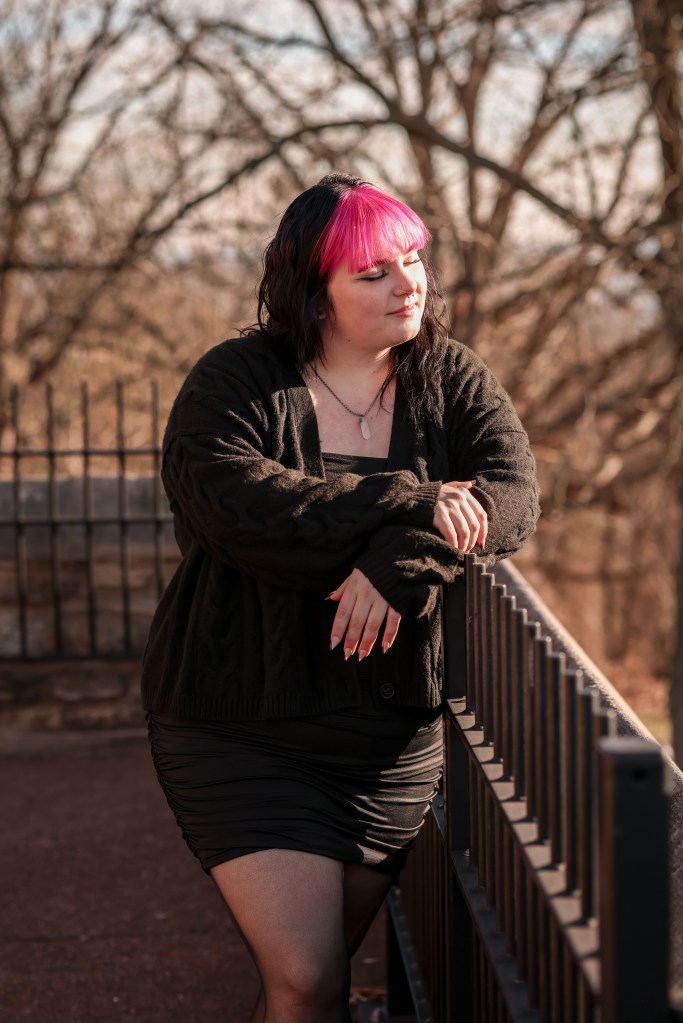
Examples of Bokeh from My Photography
In the examples below, you’ll see how bokeh helps separate the subject from the background, creating a sense of depth and drawing attention to the main focus of the image. Whether it’s a creamy blur behind a portrait or soft, defocused elements in a scene, bokeh plays a huge role in making photos feel more polished and professional.





Final Thoughts: Mastering Bokeh in Your Photography
Mastering bokeh is more than just creating a blurred background—it’s about adding depth, emotion, and a unique touch to your photos. By understanding how your lens and settings affect the blur, you can make intentional choices that elevate your work. Whether you’re capturing dreamy portraits, intimate macro shots, or even just a candid moment with my dog, Remy, bokeh can take your photos to the next level.
So next time you’re out shooting, experiment with your aperture, focal length, and subject distance. Try using a wider aperture (f/1.2–f/2.8) for soft, creamy backgrounds, or a longer focal length (85mm or beyond) for stronger background compression. And remember, bokeh isn’t just about the blur, it’s about how that blur enhances the story you’re telling.
What’s your go-to lens for creating bokeh? Drop a comment below—I’d love to hear about the lenses you swear by! Have any lenses you hope to get in order to create beautiful bokeh? Tell me about them below!
Anyways, thanks for reading :) I hope I taught you something new today. I hope you have a better understanding of what Bokeh is and how it is created. Now I want you to get out there and try to make some bokeh!! Tell me about your experiences below! And if you want to learn more, check out my other blogs posts! Don’t forget to leave a like, comment, subscribe to stay in the loop! Thanks for being here! Thanks for reading and I hope you have the best day ever.
Happy Shooting!
Related Reads:
- Understanding Camera Lenses: A Beginner’s Guide to Focal Length, Prime vs. Zoom, and Finding the Right Lens
Get to know the basics of camera lenses, including focal lengths, prime vs. zoom lenses, and how to choose the right lens for your style and needs. This guide will help you understand the essentials to take your photography to the next level. - Golden Hour Photography: The Best Settings & Tricks for Perfect Shots
Discover how to capture breathtaking golden hour photos with the perfect settings and tips for shooting in those magical moments just before sunset or after sunrise. - Is the Canon 50mm f/1.2 Worth It? My Honest Review & Real-World Test
Thinking about adding the Canon 50mm f/1.2 to your gear? Read my honest review and see real-world tests to help you decide if this lens is worth the investment for your photography. - Best RF Lenses for the Canon R5: Top Picks for Every Photographer
If you’re using the Canon R5, check out my top RF lens recommendations that suit a variety of photography styles, from portraits to landscapes. - What is Aperture in Photography?
Learn everything you need to know about aperture, one of the most important settings in photography, and how it affects exposure, depth of field, and creative control over your images.



 KRx Media
10 responses to “Mastering Bokeh in Photography: How Aperture, Focal Length, and Distance Affect Background Blur”
Honestly I don’t have much to say, this was super cool. I just thought boku was what they called the dreamy-blurry background, so it’s really cool to have a specific science to it. I didn’t know there were blades in the damn lens lmao, but it’s cool as fuck that they affect the boki. I always try my best to add a dreamy feel to my pictures, especially when isolating the subject. More over with flowers, because I look at them in a magical way cause flowers are amazing. The inner workings of photography are incredible and I enjoy that a lot!
LikeLike
[…] Mastering Bokeh: How Aperture, Focal Length, and Distance Affect Background Blur […]
LikeLike
[…] Related reads: What is Aperture in Photography? or Mastering Bokeh: How Aperture, Focal Length, and Distance Affect Background Blur […]
LikeLike
[…] like a dream come true. For years, I had heard photographers rave about its stunning sharpness, beautiful bokeh, and low-light performance, but it wasn’t until I started using it myself that I understood why […]
LikeLike
[…] Mastering Bokeh: How Aperture, Focal Length, and Distance Affect Background Blur […]
LikeLike
[…] Background blur plays a huge role in creative portraits, and I go deeper into that in Mastering Bokeh: how aperture, focal length, and distance affect background blur. […]
LikeLike
[…] Mastering Bokeh: How Aperture, Focal Length, and Distance Affect Background Blur […]
LikeLike
[…] Mastering Bokeh: How Aperture, Focal Length, and Distance Affect Background Blur […]
LikeLike
[…] a purity to it, with her face perfectly in focus while the background gently fades into a dreamy bokeh. I love how golden hour can do that—turning a familiar scene into something almost magical. […]
LikeLike
[…] shooting portraits, a wide aperture (like f/1.8) helps isolate your subject, creating that creamy bokeh effect. This is my go-to for capturing Remy’s expressions. It’s also fantastic for human […]
LikeLike