
Camera Lenses Explained: Prime vs. Zoom, Focal Length, and How to Pick the Right Lens | KRx Media
If you’re new to photography, understanding camera lenses might feel overwhelming. When I first started, I had no idea what focal length meant or why someone would choose a prime lens over a zoom lens. I didn’t know what any of those numbers meant—50mm, 85mm, 24-70mm? It felt like a different language. I just knew I wanted to take better pictures! If that sounds like you, this guide is here to help. We’ll break down everything from focal lengths to lens types, so by the end, you’ll have a solid grasp of what lens you need for the shots you want to create.
Some of the links in this post are affiliate links. This means that if you click on a link and make a purchase, I may earn a small commission at no extra cost to you. This helps support my blog, so thank you!
What is a Camera Lens and Why Does it Matter?
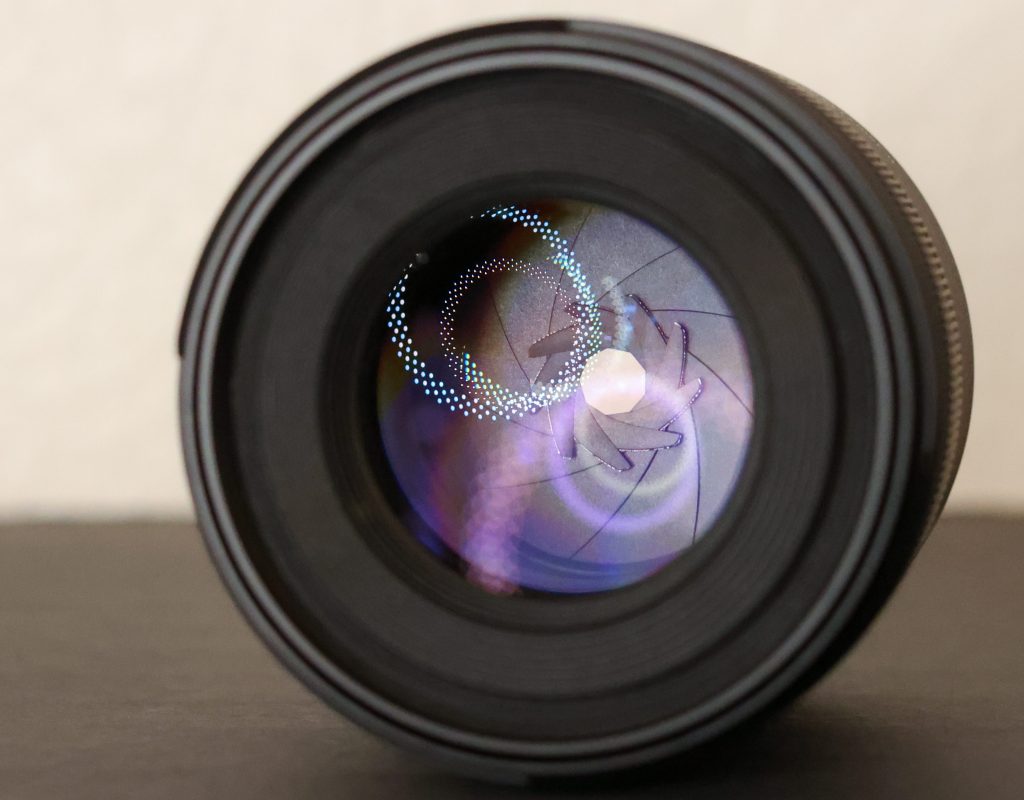
A camera lens is what directs light into your camera sensor, ultimately forming the image you capture. Lenses are interchangeable and affect how much of a scene you can capture, how close or far your subject appears, and even the overall look of your photos. Choosing the right lens is just as important as choosing the right camera body, if not more important.
A high-quality lens can make a budget camera body perform like a professional one, and the wrong lens can make even the best camera struggle to produce good images. So, let’s get into the details!
Understanding Focal Length: What Do Those Numbers Mean?
When you look at a camera lens, you’ll see numbers like 50mm, 24-70mm, or 100-400mm. These numbers refer to focal length, measured in millimeters (mm), which determines how much of a scene the lens can capture and how close or far objects appear. You’ll see lenses ranging from around 8mm to 1200mm, though the most common range for everyday photography is 14mm to 200mm.
Here’s a simple way to understand it:
- Small number (wide-angle) = Captures more of the scene, good for landscapes and tight spaces.
- Large number (telephoto) = Zooms in closer, perfect for wildlife and sports photography.
Common Focal Length Ranges and Their Uses
| Focal Length | Lens Type | Best For |
|---|---|---|
| 8-15mm | Fisheye | Creative effects, extreme wide-angle shots |
| 16-35mm | Wide-angle | Landscapes, architecture, group shots |
| 35-50mm | Standard | Street photography, portraits, everyday shooting |
| 85mm | Telephoto prime | Portraits, subject isolation |
| 100-200mm | Short telephoto | Portraits, concerts, sports |
| 300-800mm | Super telephoto | Wildlife, sports |
- Wide-angle lenses (8mm – 35mm): These lenses capture a broad field of view, making them ideal for landscapes. An 8mm fisheye lens gives an extreme, distorted perspective, while a 35mm lens is popular for street photography because it closely resembles the human eye’s perspective.
- Standard lenses (35mm – 85mm): These are the most versatile focal lengths. A 50mm lens is considered one of the best for portraits because it provides natural perspective without distortion.
- Telephoto lenses (85mm – 800mm+): These lenses are great for capturing subjects from a distance. If you’re photographing wildlife or sports, a lens in the 200mm-800mm range lets you zoom in on far away action. A 600mm or 800mm lens is what you need if you’re trying to capture a bird in a tree from across a field.
I personally love my 50mm f/1.2 or my 85mm f/2 for portraits—it captures natural-looking images and gives that beautiful blurred background (bokeh). But if I’m shooting landscapes, I reach for something wider like a 35mm.
Prime vs. Zoom Lenses: What’s the Difference?
Lenses fall into two main categories:
Prime Lenses (Fixed Focal Length)
A prime lens has a fixed focal length, meaning you can’t zoom in or out. If you want to get closer to your subject, you have to physically move your feet.
- Examples: 35mm, 50mm, 85mm
- Pros:
- Sharper images
- Wider apertures (great for low light and blurred backgrounds)
- Lighter and more compact
- Cons:
- Less flexibility (since you can’t zoom)
Zoom Lenses (Variable Focal Length)
A zoom lens allows you to change focal lengths by twisting the zoom ring, making it more versatile.
- Examples: 24-70mm, 70-200mm
- Pros:
- More flexibility
- Good for events and situations where you can’t move much
- Cons:
- Heavier
- Generally smaller max apertures (which means less light enters the camera)
For example, my 50mm f/1.2 lens is my go-to for portraits because it allows me to shoot in dim lighting without cranking up my ISO, and it creates that beautiful separation between the subject and background.
Understanding Aperture (f-stop) and Why It Matters
When choosing a lens, one of the most important factors to consider is the aperture, also known as the f-stop. This number (like f/1.2, f/2.8, or f/5.6) controls how much light enters your camera and affects your depth of field.
- Lower f-stop numbers (f/1.2 – f/2.8): Let in more light, making them ideal for low-light situations and creating a creamy, blurred background (bokeh). Perfect for portraits, indoor photography, and night shots.
- Higher f-stop numbers (f/8 – f/16): Let in less light but provide a greater depth of field, keeping more of the scene in focus. Best for landscapes, architecture, and macro photography.
(If you want to learn more about f-stop and aperture, you can read about that, here!)
Choosing the Right Lens for Your Photography Style
Portrait Photography
Best Lens: 50mm or 85mm Prime Why? These focal lengths provide natural perspective, excellent sharpness, and beautiful background blur (bokeh). I shoot most of my portraits on my 50mm f/1.2.
Landscape Photography
Best Lens: 16-35mm Wide-Angle Why? Wide-angle lenses let you capture more of the scene, keeping everything in focus. I like to use a 16mm, 24mm, or a 35mm lens for landscapes and cityscapes because it captures a lot of detail.
Wildlife & Sports Photography
Best Lens: 200mm-800mm Telephoto Why? Telephoto lenses are helpful when you need to zoom in on far-away subjects while keeping details sharp. When I shoot dirt bikes, I would use a telephoto zoom like 70-200mm so I can track movement without having to run all over the place.
Macro Photography (Close-Ups of Tiny Subjects)
Best Lens: 100mm Macro Why? Macro lenses allow extreme close-up focus with sharp details. They let you capture tiny subjects like insects or the texture on a flower.
How to Find the Right Lens for You
When choosing a lens, ask yourself:
- What do I love photographing? (Portraits? Landscapes? Wildlife?)
- Do I need to zoom, or can I move my feet to adjust my shot?
- Do I shoot in low light? (If yes, look for lenses with a wide aperture like f/1.8 or f/2.8.)
Choosing the right lens depends on what you love to photograph and your budget. If you’re just starting out, I recommend:
- A 50mm f/1.8 if you love portraits and want a great beginner lens
- A 24-70mm f/2.8 for general photography and everyday use
- A 70-200mm f/4 or f/2.8 if you want to capture action, sports, or wildlife
Also, don’t be afraid to rent lenses before making a big purchase. I rented a 35mm f/1.8 before buying it, and it helped me figure out whether I liked that focal length for my style of photography.
I recommend starting with a 50mm f/1.8 if you’re on a budget. It’s sharp, great in low light, and perfect for portraits and everyday use.
If you want versatility, a 24-70mm f/2.8 is a great investment—it’s what many professionals use as their go-to lens!
Final Thoughts
Understanding lenses is one of the most important steps in improving your photography. Lenses are the most important investment you can make in photography. A good lens will last years (or even decades), while camera bodies get replaced more frequently. Whether you choose a prime for its sharpness or a zoom for its flexibility, picking the right lens will make a massive difference in your photography.
Once you know the difference between focal lengths, prime vs. zoom, and which lenses suit different styles, you can start making more informed choices about your gear.
I hope this guide helped you understand lenses a little better! If you have any questions, drop them in the comments.
Anyways, thanks for being here and reading my post! I hope I taught ya something new today :”) If you want to read more of my blogs, check here!
Kenedy Rae runs KRx Media, a photography blog for beginners and enthusiasts. Check out more of my blogs, here!



 KRx Media
11 responses to “Understanding Camera Lenses: A Beginner’s Guide”
Oh this is incredibly helpful. I never knew there were different specifics lens. I never even knew there was a prime/zoom lens. It’s interesting to know that both have their specific uses, and especially the f.stop numbers. Seeing the 100mm macro and reading one of the uses to zoom in on the texture of flowers? Might need to look into that. Prime sounds nice to me personally because I usually just move myself to get a good shot anyways, and for what I do now, seems about right. It’s good to have an arsenal at your disposal for the what you need. It’s really cool too that lens can last for such a long time.
The zooms remind me of that one photo where the picture of just a random city, with people walking around, was super detailed and you could zoom in without it being incredibly pixilated. Honestly that’s one of my goals, is to take pictures, and be able to zoom in on the pic without losing details. Bookmarking this.
LikeLike
[…] lengths, and whether a prime or zoom lens is right for you, be sure to check out my full guide, Understanding Camera Lenses: A Beginner’s Guide to Focal Length, Prime vs. Zoom, and Finding the R… It’s packed with everything you need to know to make informed decisions for your photography […]
LikeLike
[…] Understanding Camera Lenses: A Beginner’s Guide to Focal Length, Prime vs. Zoom, and Finding the R… – Not sure which lens to get for your new Canon Rebel? This guide breaks down everything you need to know. […]
LikeLike
[…] all comes down to two major factors: aperture and focal length. Everything from the number of aperture blades in your lens to the shape of the opening affects how […]
LikeLike
[…] Understanding Camera Lenses: A Beginner’s Guide to Focal Length, Prime vs. Zoom, and Finding the R… […]
LikeLike
[…] you’re unsure how lens specs translate to real-world performance, my guide on understanding camera lenses breaks down focal length, aperture, and more in an easy-to-follow […]
LikeLike
[…] Understanding Camera Lenses: A Beginner’s Guide to Focal Length, Prime vs. Zoom, and Finding the R… – Learn how to choose the perfect camera lens for your photography style by understanding focal lengths, prime vs. zoom lenses, and key features like aperture. […]
LikeLike
[…] Understanding Camera Lenses: A Beginner’s Guide to Focal Length, Prime vs. Zoom, and Finding the R… – Not sure which lens to get for your new Canon Rebel? This guide breaks down everything you need to know. […]
LikeLike
[…] all comes down to two major factors: aperture and focal length. Everything from the number of aperture blades in your lens to the shape of the opening affects how […]
LikeLike
[…] Understanding Camera Lenses: A Beginner’s Guide to Focal Length, Prime vs. Zoom, and Finding the R…Get to know the basics of camera lenses, including focal lengths, prime vs. zoom lenses, and how to choose the right lens for your style and needs. This guide will help you understand the essentials to take your photography to the next level. […]
LikeLike
[…] Understanding Camera Lenses […]
LikeLike