
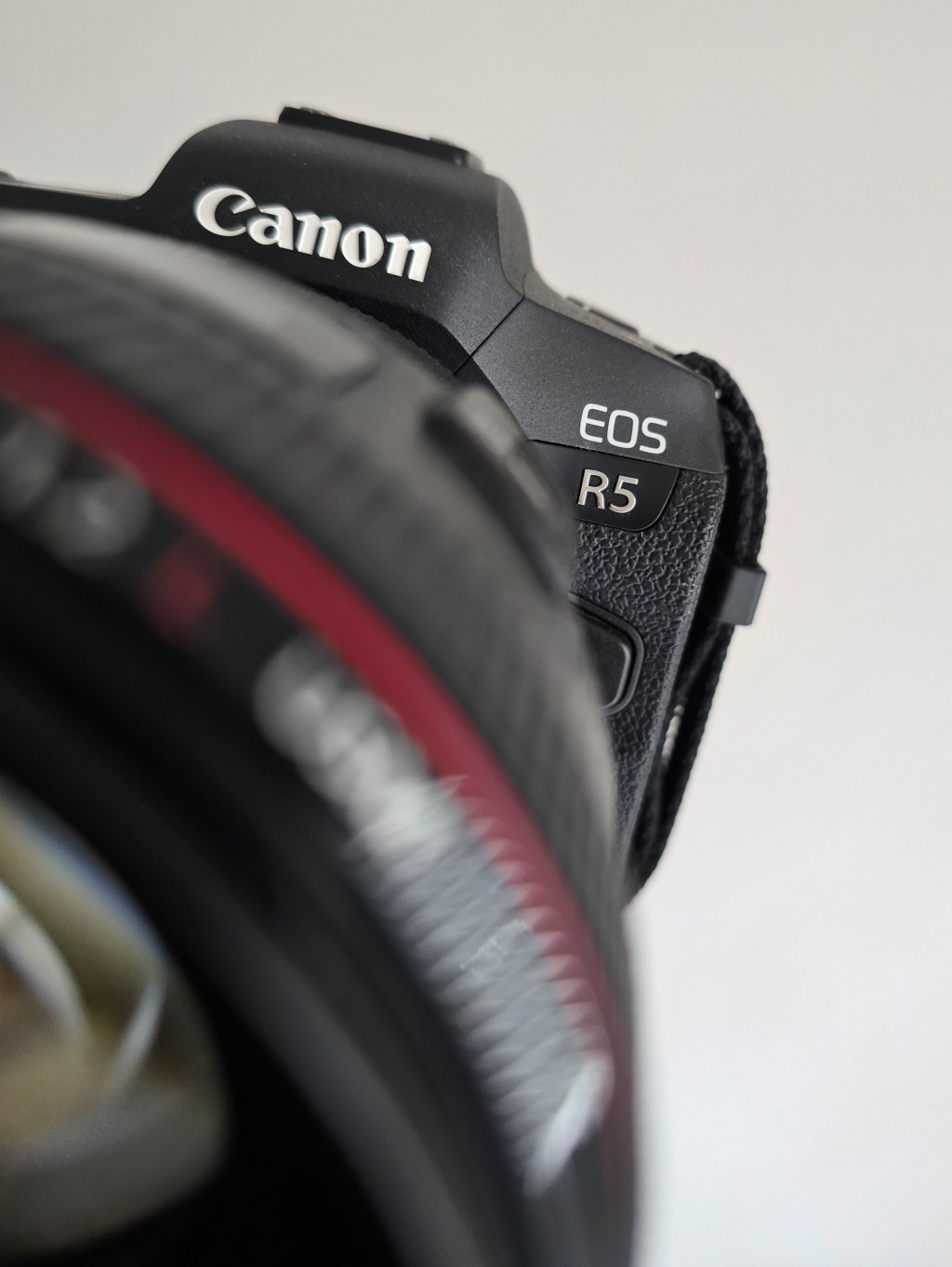
Choosing Between Two Flagship Canon Cameras in 2025
The Canon EOS R5 and Canon R5 Mark II are two of the most powerful mirrorless cameras on the market, designed to meet the needs of hybrid shooters—those who want top-tier stills and video capabilities in one package. Since the release of the R5, photographers and videographers have been raving about its ability to deliver high-resolution images, incredible autofocus, and 8K video. With the R5 Mark II now on the scene, it’s tempting to wonder: Is it worth upgrading, or is the original R5 still the better option?
In this detailed post, we’ll break down the key differences between these two cameras, comparing specs, performance, and features to help you determine which one is right for your photography or videography needs.
This post contains affiliate links, which means I may earn a small commission if you make a purchase through the links provided at no extra cost to you.
Brief overview
The Canon R5 debuted in 2020 and quickly made waves in the photography world. With its 45MP full-frame sensor, 8K video recording, and next-level autofocus, the R5 became a favorite among hybrid shooters who needed a camera that could excel in both still photography and video production. The R5 was a groundbreaking release that set a new standard for Canon mirrorless cameras, offering exceptional image quality, video flexibility, and autofocus performance—all in a compact body.
Fast forward to 2023, and the Canon R5 Mark II arrived, building on the R5’s foundation but adding several key upgrades. The Mark II delivers 8K video at 60p, faster burst shooting speeds, and improved thermal management, making it an even more reliable choice for professional videographers and action photographers who need consistent performance during extended shoots. But is the R5 Mark II worth the investment, or does the R5 still hold its own? Let’s take a deeper dive into the key differences and help you choose the best option based on your shooting style.
Canon R5 vs. Canon R5 Mark II
Sensor and Image Quality
- Canon R5:
- Sensor: 45MP Full-Frame CMOS Sensor
- ISO Range: 100–51,200 (expandable to 50–102,400)
- Low-Light Performance: Excellent, with minimal noise at high ISOs
- Dynamic Range: Wide, good shadow and highlight recovery
- Canon R5 Mark II:
- Sensor: 45MP Full-Frame CMOS Sensor (same as R5)
- ISO Range: 100–51,200 (expandable to 50–102,400)
- Low-Light Performance: Improved with enhanced noise reduction algorithms
- Dynamic Range: Improved with better sensor calibration for high-contrast scenes
Both cameras feature the same 45MP full-frame CMOS sensor, meaning you get high-resolution stills with exceptional detail and dynamic range. The R5 Mark II improves upon the R5’s performance by refining its low-light handling and noise reduction, providing more natural-looking images even at higher ISOs.
Autofocus Performance
- Canon R5:
- Dual Pixel CMOS AF II
- AF Points: 1,053 zones
- Eye AF: Yes (Human and Animal)
- Tracking: Excellent for portraits, wildlife, and sports
- Low-Light Sensitivity: -6 EV
- Canon R5 Mark II:
- Dual Pixel CMOS AF II (improved)
- AF Points: 1,053 zones
- Eye AF: Yes (Human, Animal, and Vehicle)
- Tracking: Even more responsive with improved algorithms
- Low-Light Sensitivity: -7 EV (improved performance)
The Canon R5 Mark II brings improvements in autofocus performance, especially in low-light conditions. While both cameras have 1,053 AF points, the Mark II’s AF system is faster and more accurate due to a new algorithm for subject tracking, especially when tracking fast-moving subjects like vehicles or wildlife. Additionally, the R5 Mark II improves on low-light autofocus, offering enhanced sensitivity down to -7 EV compared to the R5’s -6 EV, making it a better choice for night photography or shooting in dimly lit environments.
Burst Shooting and Shutter Speed
Canon R5:
- Electronic Shutter Speed: 20 fps
- Mechanical Shutter Speed: 12 fps
- Max Shutter Speed (Electronic): 1/8,000s
- Max Shutter Speed (Mechanical): 1/2,000s
- Rolling Shutter: Noticeable at high speeds
Canon R5 Mark II:
- Electronic Shutter Speed: 40 fps (doubling the R5’s burst speed)
- Mechanical Shutter Speed: 12 fps
- Max Shutter Speed (Electronic): 1/8,000s
- Max Shutter Speed (Mechanical): 1/2,000s
- Rolling Shutter: Reduced significantly thanks to improved sensor readout
The R5 Mark II has more than doubled the burst rate of the R5, offering 40 fps with the electronic shutter. This is an incredible jump in speed, especially for sports or wildlife photography, where you need to capture the fastest moments. The R5 Mark II also significantly reduces rolling shutter, making it a superior choice for high-speed action shots. The R5’s 20 fps is still fast, but the Mark II takes it to the next level, ensuring you won’t miss a single shot during fast-paced moments.
Video Capabilities
Canon R5:
- Video Resolution: 8K at 30p, 4K at 120p
- Video Features: Canon Log 3, 10-bit 4:2:2, 4K oversampled from 8K
- Overheating: Can overheat during long video sessions (especially in 8K)
- RAW Video: Yes (8K 30p RAW)
Canon R5 Mark II:
- Video Resolution: 8K at 60p, 4K at 120p
- Video Features: Canon Log 3, 10-bit 4:2:2, 4K oversampled from 8K
- Overheating: Improved thermal management, no overheating
- RAW Video: Yes (8K 60p RAW)
The Canon R5 Mark II excels in video performance, offering 8K video at 60p compared to the R5’s 8K at 30p. This upgrade allows for more fluid video capture and eliminates the previous overheating issues seen in the R5 during extended video recording. The Mark II also doubles the 8K video recording frame rate, which is great for high-end cinematography and fast-paced action video.
Additionally, the Mark II brings improved thermal management, meaning you can record for much longer without worrying about the camera shutting down from overheating. Both cameras are capable of RAW video, but the R5 Mark II provides better overall video quality and extended recording times, making it the more reliable option for professional filmmakers.
Build, Ergonomics, and Durability
Canon R5:
- Weight: 738g
- Dimensions: 138.4 x 98.1 x 88.4 mm
- Body: Magnesium Alloy, Weather Sealed
- Battery Life: ~320 shots
Canon R5 Mark II:
- Weight: 738g
- Dimensions: 138.4 x 98.1 x 88.4 mm (same as R5)
- Body: Magnesium Alloy, Weather Sealed (improved sealing for extreme conditions)
- Battery Life: ~320 shots
Both cameras are built with rugged magnesium alloy bodies and feature excellent weather sealing, ensuring they can handle harsh environments like outdoor sports shoots or travel photography. While the R5 Mark II has the same dimensions and weight, it offers improved sealing to withstand even more extreme conditions. In terms of battery life, both cameras perform similarly, offering approximately 320 shots per charge, so if you need longer battery life, you might want to invest in extra batteries.
Key Differences Between the Canon R5 and Canon R5 Mark II
While the Canon R5 and Canon R5 Mark II share many similarities, several key upgrades in the Mark II make it a more powerful choice for certain users. Here’s a breakdown of the main differences that set them apart:
| Feature | Canon R5 | Canon R5 Mark II |
|---|---|---|
| Release Date | 2020 | 2023 |
| Resolution | 45MP Full-Frame CMOS Sensor | 45MP Full-Frame CMOS Sensor (same sensor) |
| Video | 8K at 30p, 4K at 120p | 8K at 60p, 4K at 120p (Improved) |
| Burst Speed (Electronic) | 20 fps | 40 fps (Double the burst rate) |
| Shutter Speed | 1/8,000s (Electronic), 1/2,000s (Mechanical) | 1/8,000s (Electronic), 1/2,000s (Mechanical) |
| Autofocus | Dual Pixel CMOS AF II, -6 EV Low-Light | Dual Pixel CMOS AF II, -7 EV Low-Light (Improved) |
| Rolling Shutter | Noticeable during fast action | Significantly reduced rolling shutter |
| Overheating | Can overheat during long video shoots | Improved thermal management, no overheating |
| Battery Life | ~320 shots | ~320 shots (Same as R5) |
| Connectivity | Wi-Fi, Bluetooth, USB-C | Wi-Fi, Bluetooth, USB-C (Faster transfers) |
| Body | Magnesium Alloy, Weather-Sealed | Magnesium Alloy, Weather-Sealed (Improved Sealing) |
Key Upgrades in the R5 Mark II:
- 8K Video at 60p: The R5 Mark II offers 8K video recording at 60p, doubling the R5’s capabilities in this department. This upgrade allows for more fluid video capture, especially useful for filmmakers and those shooting fast-moving subjects.
- 40 fps Burst Speed: The Mark II also doubles the burst speed to 40 fps with the electronic shutter, which is a huge improvement for sports and wildlife photographers.
- Enhanced Autofocus: The R5 Mark II improves low-light autofocus, extending the sensitivity to -7 EV, which provides better accuracy in challenging lighting conditions, especially for concerts or nighttime action shoots.
- Improved Thermal Management: One of the most significant upgrades in the Mark II is its better thermal management, which eliminates overheating during extended 8K and 4K video recording, making it a more reliable option for long-form video production.
- Faster Data Transfer: The R5 Mark II features faster USB-C transfer speeds, allowing for quicker offloading of images and video, which is a valuable time-saver for professionals working on tight deadlines.
Which One Is Better and Why?
Canon R5 (Best for High-Resolution Stills and Video)
The R5 is the perfect choice for hybrid shooters who want stunning stills and high-quality video in a compact body. The 45MP sensor offers incredible detail for portraits, landscapes, and commercial work, while the 8K video adds versatility for videographers. However, its overheating issues when recording 8K video are worth considering for those who plan to do long-form video work.
Why Choose the R5?
- Best for photographers who need high-resolution images (45MP sensor).
- Great for hybrid shooters who need a camera that can handle both video and photography well.
- Ideal for portrait, landscape, and commercial photographers.
Canon R5 Mark II (Best for Speed, Video, and Reliability)
The R5 Mark II takes the R5’s capabilities and pushes them even further, especially for those needing speed and advanced video performance. With 40 fps burst shooting, 8K video at 60p, and improved autofocus, the Mark II is designed for photographers and videographers who need reliable performance for fast action and long-duration video recording. Its improved thermal management also means no overheating, making it a more reliable option for pro video work.
Why Choose the R5 Mark II?
- Best for sports photographers, wildlife photographers, and anyone who needs fast burst rates.
- Ideal for videographers who want 8K at 60p, RAW video, and extended recording times.
- Perfect for those needing reliable performance in both photo and video, with improved thermal management.
Which One Would I Pick and Why?
Personally, I would choose the Canon R5 Mark II. While the R5 is an incredible camera, the R5 Mark II addresses several of the R5’s limitations, especially for action photographers and videographers who need the ability to shoot at higher burst rates and longer video sessions. The 40 fps and 8K at 60p make it the better overall performer, and the reliable thermal management ensures that I won’t run into issues with overheating during long shoots.
If I were focusing more on high-resolution stills or only shooting occasional video, the R5 might still be a top contender. But for my needs as a hybrid shooter, the R5 Mark II offers a more well-rounded, future-proofed experience.
Conclusion: How to Choose
Ultimately, your choice between the Canon R5 and Canon R5 Mark II depends on your specific needs:
- Choose the R5 if you need high-resolution stills (45MP), 8K video for cinematic work, and don’t mind the occasional overheating during long video shoots.
- Choose the R5 Mark II if you need faster burst speeds, better video performance, improved autofocus, and a more reliable overall performance without overheating.
Both cameras are excellent, but for those needing the best of both worlds in photography and video, the Canon R5 Mark II stands as the clear winner.
Ready to Buy?
If you’re looking to grab your Canon R5 or Canon R5 Mark II, you can find both models below:
Anyways, thanks for reading! I hope I taught you something new today! If you had to pick either of these, which would you pick? Have any other cameras you want me to compare? Drop a comment below!
And if you want to read more of my camera gear reviews, click here!




 KRx Media
5 responses to “Canon R5 vs. Canon R5 Mark II: An In-Depth Comparison”
I love shit like this. It’s incredibly interesting how specific needs can be when choosing a camera. If you’re more sports oriented you go for the camera that is really really good at capturing those fast moments and being able to run well without overheating, and especially with the upgraded fps. If you take mostly portraits and still life, nature etc. Then of course the original R5 is the best too, because if your plan is to not shoot in 8k for hours at a time, those downsides won’t bother you too much. The occasional video wouldn’t hurt, but still!
The Mark II sounds like the clear winner as well given its improvements, and it almost feels like the original gets left in the dust. I think both still serve a different purpose, especially price wise. However I do feel that one day, the original R5 will stop production. Even so, it doesn’t sound like a bad camera (it isn’t) even though the Mark II is the clear winner. I fucking love specifics.
LikeLike
[…] Canon R5 vs. Canon R5 Mark II: An In-Depth Comparison – The Canon R5 Mark II builds on the R5’s impressive capabilities with faster burst rates, improved autofocus, and enhanced video performance, making it the ideal choice for hybrid shooters seeking speed and reliability. […]
LikeLike
[…] Canon R5 vs. Canon R5 Mark II: An In-Depth Comparison […]
LikeLike
[…] Canon R5 vs. Canon R5 Mark II: An In-Depth Comparison […]
LikeLike
[…] Canon R5 vs. Canon R5 Mark II: An In-Depth Comparison – The Canon R5 Mark II builds on the R5’s impressive capabilities with faster burst rates, improved autofocus, and enhanced video performance, making it the ideal choice for hybrid shooters seeking speed and reliability. […]
LikeLike