
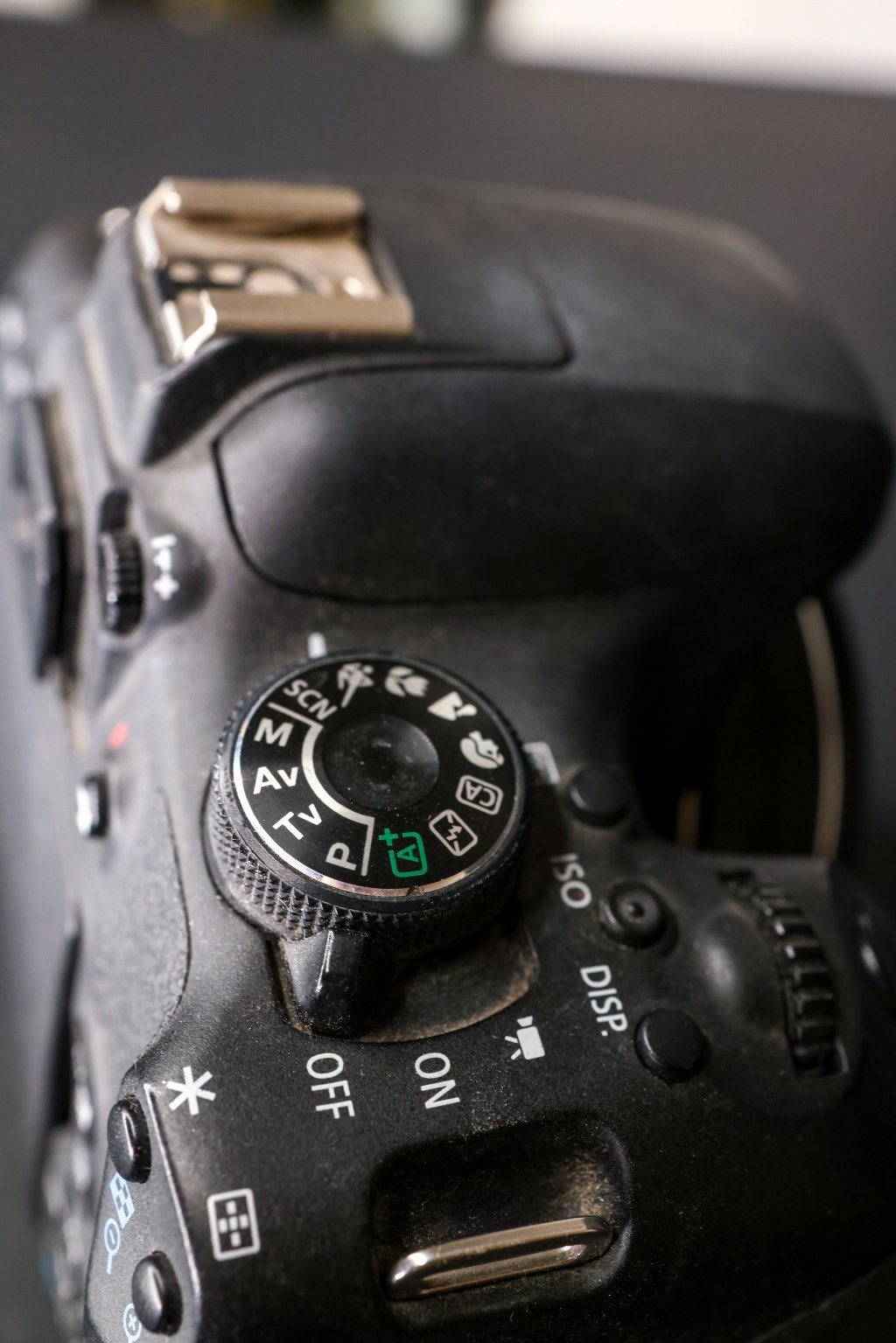
Quality and Affordability Combined
As a photographer who’s spent years experimenting with different gear, I know how challenging it can be to find a high-quality camera without breaking the bank. Whether you’re just starting your photography journey or looking for a reliable backup camera, there are incredible options under $500 that don’t compromise on quality. In this guide, I’ll share my top picks, what I love about each one, and what makes them stand out. Ready to find your next camera? Let’s dive in!
1. Best Overall: Nikon D3500
Why I Love It: The Nikon D3500 is a reliable, easy-to-use DSLR that delivers fantastic image quality and is perfect for beginners. It’s compact, lightweight, and has a fantastic battery life.
Why It’s the Best:
- 24.2 MP Sensor: Captures stunning, sharp photos.
- Long Battery Life: Take up to 1550 shots on a single charge.
- Compact Design: Lightweight, so it’s great for travel and everyday use.
- Guide Mode: Helps you learn the ropes of manual shooting.
Who This Camera Is For:
- Beginners learning manual mode
- Still photography (portraits, landscapes)
- People who want long battery life
Who Should Skip It:
- Video-focused creators
- Anyone wanting eye-detect AF
- People who want future-proof lens mounts
The Nikon D3500 is the perfect camera to grow with as you advance your skills, and it delivers incredible value for its price.
2. Best Entry-Level DSLR: Canon EOS Rebel T7
Why I Love It: The Canon EOS Rebel T7 offers fantastic value for money. It’s an entry-level DSLR that produces beautiful images, perfect for those making the leap from smartphone photography.
Why It’s the Best Budget Option:
- 24.1 MP Sensor: Great for sharp, vibrant images.
- Wi-Fi & NFC Connectivity: Easily share photos to your phone or laptop.
- User-Friendly: Excellent for beginners, with intuitive controls.
- Affordable Price Point: An excellent option if you’re on a tight budget.
The Rebel T7 is a fantastic budget-friendly option with reliable performance and solid features for new photographers.
3. Best for Video: Panasonic Lumix G85
Why I Love It:
The Panasonic Lumix G85 is an outstanding mirrorless camera that strikes a perfect balance between portability, image quality, and video capabilities. It offers great features for both photography and videography, making it a versatile choice for a variety of creative projects.
Why It’s the Best:
- 5-Axis In-Body Stabilization: Ensures sharp photos and smooth videos, even in low-light conditions or while shooting handheld.
- 4K Video: Excellent for creators looking to capture high-quality video alongside stunning stills.
- Weather-Sealed Body: Built to handle tough conditions, ideal for outdoor photographers.
- Compact & Lightweight: Easy to carry for extended shooting sessions or travel.
The G85 is perfect for both still photographers and video creators, especially those looking for something compact that still offers excellent video performance.
4. Best Mirrorless: Canon EOS R100
Why I Love It: The Canon EOS R100 is one of Canon’s latest mirrorless models and brings excellent features at a reasonable price point. It’s a great entry point for those looking to switch to mirrorless without breaking the bank.
Why It’s the Best Mirrorless:
- 24.1 MP APS-C Sensor: For stunning image quality and detail.
- RF Lens Compatibility: Works with Canon’s growing line of RF lenses.
- Lightweight Build: Easy to carry around for all-day shoots.
- Fast Autofocus: Perfect for capturing moving subjects.
The EOS R100 provides an excellent mix of performance, portability, and image quality at a price that won’t break the bank.
5. Best for Versatile Photography: Olympus OM-D E-M10 Mark III
Why I Love It: The Olympus OM-D E-M10 Mark III is a mirrorless camera that offers a perfect balance of performance and portability. With its compact design and intuitive controls, it’s a great all-around camera for a wide variety of photography styles, from everyday snapshots to creative projects.
Why It’s the Best for Versatile Photography:
- 16.1 MP Sensor: Captures crisp, detailed images with vibrant color reproduction, making it suitable for everything from portraits to landscapes.
- 5-Axis Image Stabilization: Ensures sharp, clear images even when shooting handheld, whether you’re in low light or capturing subtle movements.
- 4K Video: CProvides excellent video quality, making it a great choice for photographers who also want to capture high-quality videos alongside their stills.
- Compact and Lightweight: Its sleek design makes it easy to carry and perfect for photographers who want a versatile camera that won’t weigh them down during long shoots or travel.
The Olympus OM-D E-M10 Mark III is a fantastic option for photographers who need a camera that performs well in a variety of scenarios, whether you’re shooting portraits, landscapes, or video. Its versatility and portability make it an ideal choice for those who want to explore different photography styles without compromising on image quality.
Bonus: My First Camera Under $500: Canon T6i
When I first started my photography journey, my go-to camera was the Canon T6i. It was the first camera I used for around $500 (it used to be anyways!), and it was a game-changer for me. It may not have all the bells and whistles of more modern models, but it still holds up with its excellent image quality, ease of use, and great performance. If you’re able to find one used, it’s still a fantastic beginner DSLR and I find myself using my old one from time to time.
Tips for Choosing the Right Camera Under $500
- Define Your Goals: Are you focused on still photography, video, or both?
- Portability Matters: Do you need something lightweight for travel, or do you prefer a more robust DSLR?
- Lens Compatibility: Look into the lens options available for your chosen camera.
- Prioritize Features: Think about what’s most important—autofocus, video quality, or a lightweight design?
- Sensor Size & Image Quality
- When choosing a camera, one of the most important factors to consider is the sensor size, which directly affects image quality, especially in low light conditions. The sensor is the part of the camera that captures light, so the larger the sensor, the more light it can gather. This results in better image quality, with sharper details and less noise, particularly in dim environments.
- Full-frame sensors are the largest and offer superior low-light performance. Cameras with full-frame sensors tend to produce cleaner, sharper images with better dynamic range, meaning they can capture both highlights and shadows more effectively. This is a huge advantage for portrait photography or shooting in dimly lit venues.
- APS-C sensors (like those in the Nikon D3500 or Canon Rebel T7) are smaller than full-frame but still deliver great results for most types of photography. They offer good low-light performance, but you may notice more noise at higher ISO settings compared to a full-frame sensor.
- Micro Four Thirds sensors (found in the Panasonic Lumix G85) are even smaller and generally perform a bit more poorly in low light. However, they can still produce excellent images in daylight or well-lit environments, and their smaller size allows for lighter and more compact camera bodies, making them perfect for travel or street photography.
- Autofocus Performance
- Autofocus (AF) is another critical feature to consider, as it determines how quickly and accurately a camera can focus on a subject. A good autofocus system makes a world of difference, particularly when capturing fast-moving subjects or when you want to ensure sharp focus in your images.
- For Portrait Photography: Autofocus performance is essential, but not necessarily the fastest. You want a camera that can lock onto your subject’s face or eyes, even if they’re slightly moving. Cameras like the Canon EOS Rebel T7 excel in this area because they have excellent face detection autofocus that will keep your subject in focus, no matter how they shift around. This feature is perfect for capturing those sharp, intimate portraits where details like the eyes need to be crisp and clear.
- For Action Shots or Sports Photography: If you’re capturing subjects that move quickly—like dirt bike riders, runners, or athletes—autofocus performance is critical. You need a camera that can track movement accurately and continuously. The Panasonic Lumix G85, for example, features 4K Photo Mode and continuous autofocus, allowing you to capture sharp action shots in fast-moving scenes. Cameras with more advanced autofocus systems, like those with phase-detection autofocus (found in some mirrorless models), are also excellent for tracking subjects at high speeds.
- For Low-Light Scenarios: Autofocus systems may struggle in low-light conditions, making it harder to get a sharp focus in dim environments. Cameras like the Nikon D3500 offer decent autofocus in low light, but more advanced systems, like those in the Canon EOS R100, will help you stay on target even when shooting in darker settings.
Which Would I Choose? My Favorite for Under $500
When it comes to picking a camera under $500, there are plenty of great options. But if I had to choose based on what I want and need out of a camera, here’s what I’d choose:
- Best Overall Camera in My Opinion: Nikon D3500 If you’re looking for a well-rounded camera that gives you great value for the price, the Nikon D3500 would be my top choice. It’s a beginner-friendly DSLR with superb image quality, long battery life, and an intuitive interface that makes learning the basics of photography feel easy. Whether you’re shooting landscapes, portraits, or just having fun capturing everyday moments, this camera delivers reliable results without breaking the bank. Plus, its compact design makes it easy to carry around on all your photography adventures.
Final Thoughts
Finding a great camera doesn’t need to cost a fortune. These cameras under $500 offer fantastic performance, versatile features, and excellent image quality—whether you’re just starting out or upgrading your gear. Which one is your top pick? Let me know in the comments below!
If you’re ready to invest in your next camera, check out my top picks through the links below! Each one is linked to Amazon for your convenience, and it’s a great way to support the blog. Let me know which camera you’re eyeing, and I’d love to hear about your photography goals!
Anyways, thanks for reading!! I hope this article helps you to find your perfect camera :)
 KRx Media
3 responses to “Best Cameras Under $500 in 2026: Quality & Performance Without Breaking the Bank”
Ad someone who has no idea which camera can be good, this is a good list! I think I had looked at the Olympus camera before and considered it for how versatile it sounds, but the Nikon D3500 sounds banger too. Considering I like to do close up shots, hopefully which ever camera I choose can take those close up shots super well. Thank you for the recommendations!
LikeLike
[…] Best Cameras Under $500: Quality and Performance for Every Photographer (2025) – Wondering if a Rebel is the right choice for your budget? See how it compares to other affordable options! […]
LikeLike
[…] Best Cameras Under $500: Quality and Performance for Every Photographer (2025) – Wondering if a Rebel is the right choice for your budget? See how it compares to other affordable options! […]
LikeLike