

Two Lenses, One Focal Length – Which Canon 50mm Delivers the Best Shots?
If you’re deciding between the Canon EF 50mm f/1.2L USM and the Canon EF 50mm f/1.8 STM, you’re not alone. These two prime lenses are among the most popular in Canon’s lineup — one known for luxury and dreamy bokeh, the other for affordability and sharp performance.
In this guide, we’ll compare these two lenses across:
- Image quality
- Autofocus performance
- Low light capability
- Build quality
- Price and value
Whether you’re just getting into photography or looking to upgrade your kit, this side-by-side breakdown will help you decide which 50mm lens is right for you
Overview of EF 50mm F/1.8 STM
Model: EF 50mm f/1.8 STM
Focal Length: 50mm (or 80mm on APS-C Cameras)
Lens Construction: 6 elements in 5 groups
Aperture: f/1.8
Type: Prime
Weight: 5.6 oz (159g)
Size: 2.72 x 1.55 in. (39.3mm x 69.2mm)
Focus Adjustment: AF with full-time manual
Closest Focusing Distance: 1.15ft (0.35m)
Filter Size: 49mm
Price: $135.00 USD
If you’re unsure how lens specs translate to real-world performance, my guide on understanding camera lenses breaks down focal length, aperture, and more in an easy-to-follow way.
Key Features
- Compact and Lightweight
- Size: 1.55 in. x 2.72 in (39.3mm x 69.2mm)
- Weight: 5.6 oz (159g)
One of the smallest and lightest lenses I’ve ever used. If smaller lens size matters to you, this should be your main choice.
2. Budget Friendly
Price: $135.00 USD
This is one of the cheapest lenses I can find. It often ranges from $125-$150 dollars.
Pros
- Incredibly Affordable! ($135.00)
- Lightweight and portable
- Very sharp at f/5.6
- Great beginner lens
- This is the lens that got me into photography. It really takes your photos to the next level when you’re starting out
Cons
- Autofocus can be inconsistent.
- I found it difficult to get this lens to focus 100% of the time. I’d get home to look through my photos and realize a few that I thought were in focus, actually weren’t.
- Plasticky build quality
- Clunky feel when autofocusing
Ideal Use Cases
- Portraits
- This lens is wonderful for both headshots and full body portraits. You can step back and take wide angle photos, but also step in closer for portrait photos, without noticeable distortion
- The 50mm 1.8 shoots gorgeously sharp images with a beautiful blurred background
- Low Lighting
- With a large f/1.8 aperture, the 50mm 1.8 thrives in low light situations.
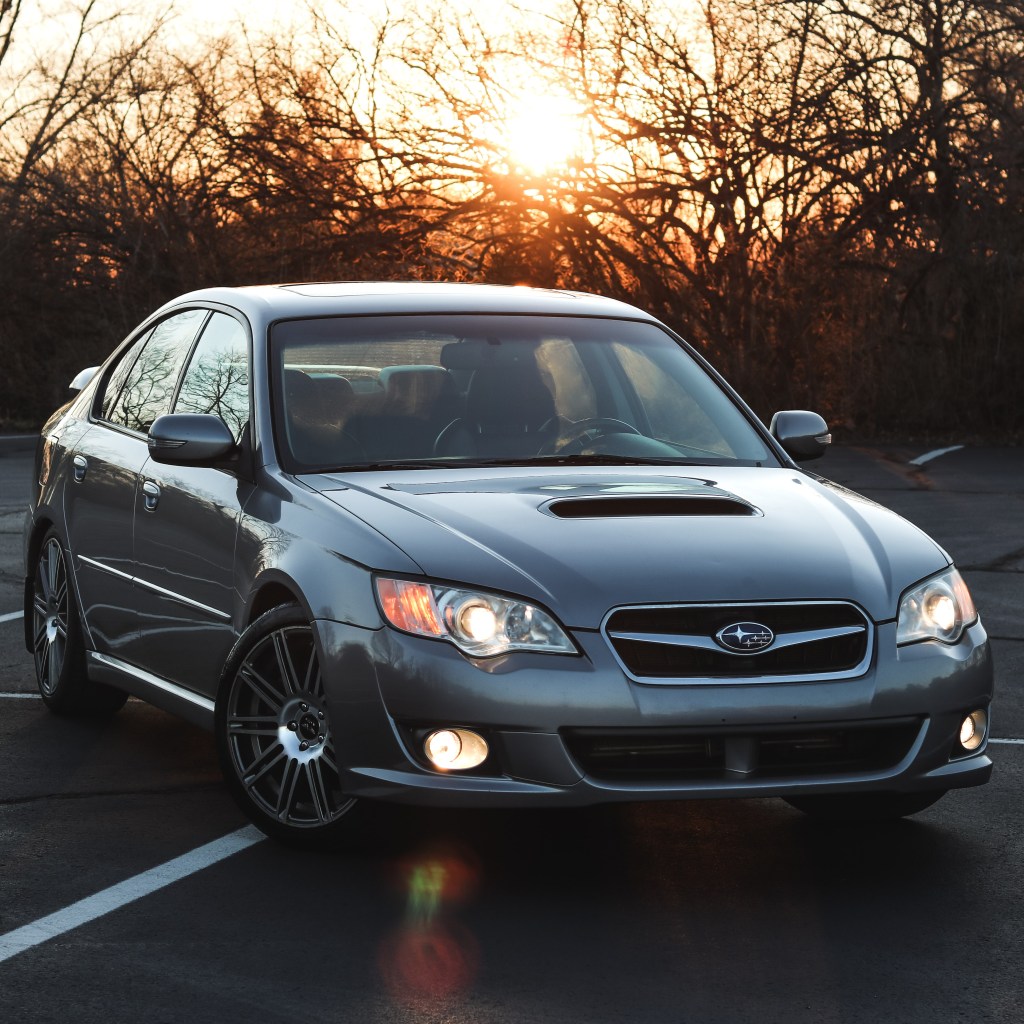
Example Photos from Canon EF 50mm f/1.8




Overview of Canon EF 50mm f/1.2L
Model: Canon 50mm F/1.2 L USM EF
Focal Length: 50mm (or 80mm on APS-C Cameras)
Lens Construction: 8 elements in 6 groups
Aperture: f/1.2
Type: Prime
Weight: 20.8 oz (590g)
Size: 3.4 in. x 2.6 in./85.4mm x 65.5mm
Focus Adjustment: AF with full-time manual
Closest Focusing Distance: 1.48 ft (0.45m)
Filter Size: 72mm
Price: $1,499.00 USD
Key Features
- Weather Resistant
- The Canon EF 50mm f/1.2L USM Lens is weather resistant. So what does that mean? The Lens is fully weather sealed. There is a rubber gasket around the rear of the lens that matches the gasket the mount of the camera. This helps to slow the progress of water. This does not mean water proof. However, prevents water from getting through the camera body and lens connection point.
2. Low Light Capability
- The Canon EF 50mm f/1.2L excels in low-light conditions thanks to its ultra-wide f/1.2 aperture. This large aperture allows significantly more light to reach the sensor, resulting in brighter photos without the need to increase your ISO settings
3. Gorgeous Bokeh
- The 50mm 1.2L produces dreamy bokeh that beautifully softens textures, while keeping the edges of your subject tack sharp
4. Excellent for Professionals
- The background blur, buttery smooth autofocus, and low f/stop at 1.2, this lens makes a great all around lens for professionals or those looking to take their photography to the next level
Pros
- Legendary Bokeh
- Dreamy feel to photos
- Weather sealed build
- Gorgeous portraits
- Very Versatile
- Tack sharp photos possible
Cons
- Hefty price tag ($1,499 USD on Amazon)
- Slow to Focus sometimes when I needed it for very quick situations
- Heavy
- When I have to shoot or carry my camera equipment for long periods of time (which is often), I’ve found that my arm will get tired or my back will hurt from carrying my heavily filled camera bag. When I pack my camera bag, if I am bringing my 50mm 1.2L, I might be leaving some of my other equipment at home to alleviate some weight.
Ideal Use Cases
- Portraits
- The Canon EF 50mm 1.2L lens creates this beautiful, dreamy, hazy backgrounds that really puts your subject in the forefront. This is my main lens for portrait photography and will take your photos up a level.
- Weddings and Events
- Low-light photography
- Everything
- The Canon 50mm 1.2L lens is very versatile. I have shot everything from concerts to dirt bike races to family photos with this thing. It is a great all around everyday lens
Want an even deeper dive? Read my hands-on review of the Canon 50mm f/1.2L here where I test it in real-world conditions and share sample shots.
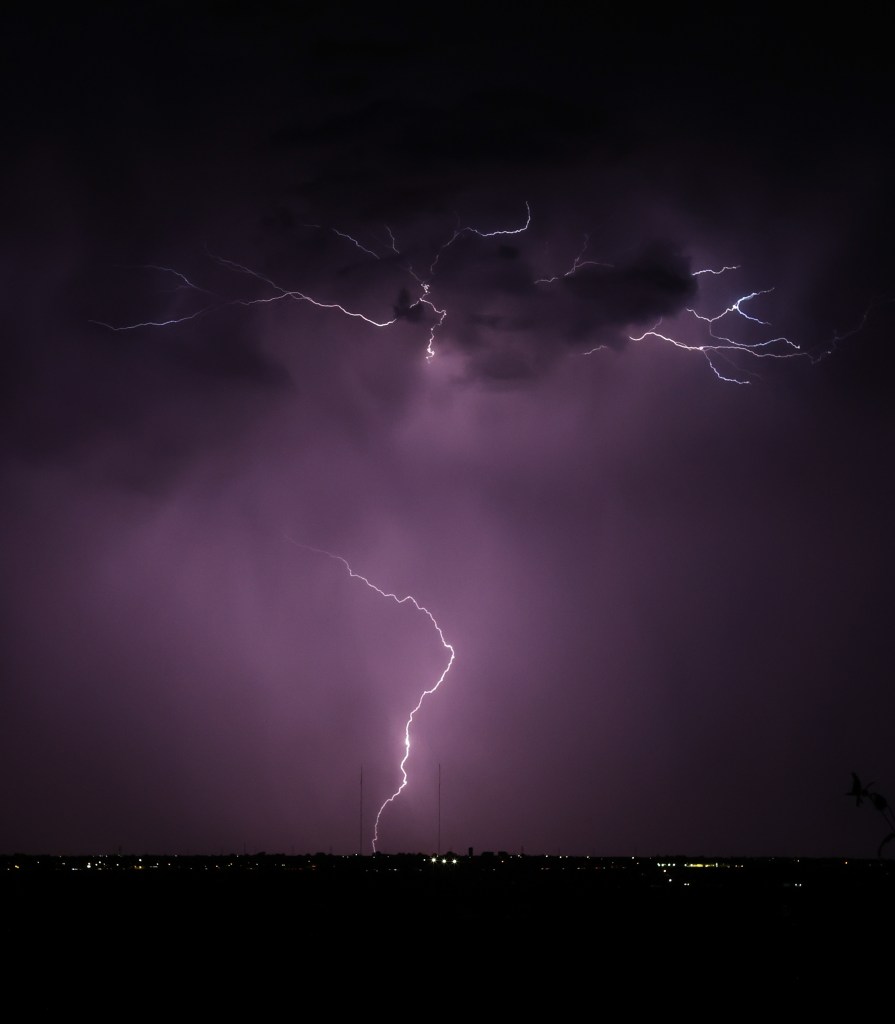
Example photos from 50mm 1.2L




Side-by-Side Comparison
| Feature | Canon 50mm f/1.8 STM | Canon 50mm f/1.2L USM |
|---|---|---|
| Aperture | f/1.8 | f/1.2 |
| Weight | 159g | 590g |
| Build Quality | Plastic | Metal + Weather Sealed |
| Autofocus | STM (Stepping Motor) | USM (Ultrasonic Motor) |
| Best For | Beginners | Professionals |
| Price | ~$135 | ~$1,399 |
Which 50mm Should You Buy?
Who Should Buy the 50mm f/1.8?
- Beginners looking for a cheap, sharp prime
- Content creators who need a fast lens on a budget
- Lightweight everyday shooters
Who Should Buy the 50mm f/1.2L?
- Professional photographers
- Portrait and wedding specialists
- Anyone who prioritizes low light and stunning bokeh
Image Quality
- Sharpness
- Color Accuracy & Contrast
- Bokeh
- While the 50mm 1.2L has the some of best bokeh on the market, the 50mm 1.8 gives the background a nice blur, too. I’ve found that the 50mm 1.8 will blur the background, while the 1.2L will create bokeh of the background. The bokeh is often hexagon shaped, dreamy, and really elevates a photograph to the next level.
Autofocus & Performance
- Autofocus Speed
Build & Handling
- f/1.8: Lightweight, compact, and easy to carry. Feels a bit plasticky.
- f/1.2L: Solid and pro-grade build, weather-sealed. But noticeably heavier.
I often leave other gear at home if I’m packing the 1.2L. It’s that heavy.
Cost & Value
- 50mm f/1.8: Incredible value for $135. Great as a first prime lens.
- 50mm f/1.2L: More expensive, but worth it if you shoot professionally or want top-tier portrait results.
Final Verdict
So, which Canon 50mm lens is best?
Choosing between the 50mm 1.8 and the 50mm 1.2L largely depends on your budget, how serious of a photographer you hope to be, how much you desire to get better photos.
If you’re just starting out, the EF 50mm f/1.8 STM is the best value lens in Canon’s lineup. It helped me level up my photography years ago.
But once I upgraded to the EF 50mm f/1.2L USM, I never looked back. The images are dramatically better, especially for portraits. The bokeh, color, and overall feel are unmatched.
If you’re unsure, try the f/1.8 first and see how much you love the 50mm perspective. If you’re ready to go all in, the f/1.2L is the best portrait lens Canon makes for EF mount.
If the question was: Does the Canon EF 50mm 1.2L USM lens take better photos than the Canon EF 50mm 1.8 STM Lens? – the answer would be an obvious yes. –
I upgraded long ago from my 1.8 to the 1.2 L and I never picked up my 1.8 again. The pictures are just astoundingly better with the 1.2 L. – BUT that doesn’t make the 1.8 a bad lens. It makes it a beginner lens. The “L” in the 50mm 1.2L does stand for luxury after all.
If you’re building out your gear kit and curious what else I shoot with, you can check out what’s in my camera bag here.
Final: The 50mm 1.2 L is obviously the better lens, but the 50mm 1.8 is a really great beginner lens, especially for portraits! Or if you don’t have a 50mm in your photography hand yet, this is a cheap and fantastic lens to add.
Have you gotten to use either of these lenses? Share your thoughts below!
FAQs
Q: Is the Canon 50mm f/1.8 STM good for portraits?
A: Yes! Its wide aperture and focal length make it a great budget portrait lens.
Q: Is the Canon 50mm f/1.2L USM BETTER for portraits?
A: YES! The f/1.2L version of the lens is worlds better of a portrait lens, but that doesn’t make the f1.8 version a bad choice.
Q: Why is the 50mm f/1.2L so expensive?
A: It has a wider aperture, premium optics, weather sealing, and better overall performance.
Q: Is the 50mm f/1.8 still worth buying in 2025?
A: Absolutely. For beginners or those needing a backup prime lens, it remains a smart buy.
Related Posts You Might Like
- Is the Canon 50mm f/1.2 Worth It? My Honest Review & Real-World Test
- Mastering Bokeh: How Aperture, Focal Length, and Distance Affect Background Blur
- JPEG vs. RAW: Which Format Is Right for You?
- Best RF Lenses for the Canon R5: Top Picks for Every Photographer
- What is Exposure in Photography?




 KRx Media
6 responses to “Canon 50mm Lens Comparison: EF 50mm f/1.2L USM vs. EF 50mm f/1.8 STM – Which Prime Lens is Best for Your Photography?”
It’s great that there’s a beginner friendly lens that’s pretty affordable AND takes great pics. The out of focus of the 1.8 seems like a bother but I don’t think it’d be too bad. I don’t have a good camera yet, but I’m gonna be looking at that lens to start out with for sure!
LikeLike
Thanks! The 1.8 is definitely a solid choice for beginners—affordable and still produces great results. I spent quite a few years with that thang. The out-of-focus areas aren’t too bothersome, but you’re right—you’ll just want to double-check your shots as you go instead of finding them out of focus later at home! 😊 I’ll actually be writing a post soon about the best beginner-friendly DSLR camera bodies, so stay tuned for that! ;) Let me know if you have any questions as you get started!
LikeLiked by 1 person
[…] Hefty Price Tag: At $1,399, it’s definitely an investment. While it’s worth the cost for serious photographers, it might not be the best option for those just starting out or working with a tighter budget. If you’re on a tighter budget, check out my comparison to the cheaper Canon 50mm f/1.8, here! […]
LikeLiked by 1 person
[…] reads : Canon EF 50mm f/1.2 vs. EF 50mm f/1.8: Worth the Upgrade? or 12 Simple Editing Techniques […]
LikeLike
[…] Hefty Price Tag: At $1,499, it’s definitely an investment. While it’s worth the cost for serious photographers, it might not be the best option for those just starting out or working with a tighter budget. If you’re on a tighter budget, check out my comparison to the cheaper Canon 50mm f/1.8, here! […]
LikeLike
[…] Canon 50mm Lens Comparison: EF 50mm f/1.2L USM vs. EF 50mm f/1.8 STM – Which Prime Lens is Best fo… […]
LikeLike