

How to Build a Concert Photography Portfolio Before You Ever Get a Media Pass
Are you wondering how to start your concert photography career but don’t have a media pass? You’re not alone! Many photographers think you need a media pass to build a concert portfolio, but you can actually start right now, without one!
In this post, I’ll show you how to build your first concert photography portfolio. I’ll walk you through the types of photos you should include, where you can practice your skills, and how to position yourself for your first media pass.
Want to see my concert portfolio?
Check out my concert work here.
In this guide, you’ll learn how to:
- Build a concert-style portfolio without shooting concerts
- Practice low-light and motion photography at home
- Choose photos that promoters actually want to see
- Position yourself to get your first media pass!
Step 1: Start Shooting Concert-Style Photos With What You Have
You don’t need professional gear to start taking concert photos today. Many venues allow small cameras like point-and-shoots or even smartphones, as long as they follow the venue’s guidelines (which usually prohibit detachable lenses).
Bring whatever you have.
Whether it’s a point-and-shoot camera or your phone, just start shooting. Get as close to the stage as you can. Bonus points if you can make your way to the front of the crowd. But don’t worry if you can’t; wide shots from the middle or back of the venue can also create awesome, unique images.
Pro Tip:
Focus on variety. Capture crowd energy, stage lighting, wide shots, close-ups, and even abstract photos that tell the story of the show. A diverse portfolio will help you stand out when applying for your first photo pass.
Quick Ideas:
- Attend small local shows, street festivals, or free events.
- Capture fans in the crowd and the venue environment.
- Practice editing your photos at home to bring out the mood, color, and lighting. This helps even smartphone shots look more professional.
Step 2: Prove You Can Handle Low Light
Concert photography is notoriously challenging, thanks to low-lighting conditions. To show off your skills in these demanding environments, include a few photos that highlight your knowledge and experience in low light photography.
- Photography Tip: Experiment with shooting in dimly lit environments, like restaurants or bars with mood lighting, or during the evening when natural light is scarce. Use a wide aperture lens (f/1.8 or f/2.8) to allow more light into your camera’s sensor, helping you capture brighter images in low light. Experiment with adjusting your ISO settings, raising it to brighten darker scenes and lowering it to reduce noise when possible.
- Portfolio Example: Include a series of photos that showcase your ability to maintain image quality in challenging lighting conditions. Ensure the images are well-exposed, sharp, and free from excessive noise. Include your best dimly lit images. Anything from a picture of a tree in the night, to a self portrait in a dark closet would work here. Just make sure the photos are good! If you don’t have any, go take some!
- More ideas for low lighting photography to include in your portfolio:
- Take portraits around a candle or in front of Christmas lights
- Go on a night time photography walk around the city
- Attend a festival or carnival that goes into the evening hours
- Get photos of a family pet using different lighting and locations inside the house
What is Aperture in Photography?: How to Master Lighting
Step 3: Show You Can Freeze Motion
Concerts are filled with dynamic movement, from energetic performers to spontaneous crowd interactions. Your portfolio should demonstrate your capability to capture fast-moving subjects with clarity & precision.
- Photography Tip: Practice photographing subjects in motion, such as athletes, dancers, or vehicles. Use a fast shutter speed to freeze the action and avoid motion blur. Additionally, experimenting with panning techniques and shutter drag can showcase your ability to capture movement with a sense of speed.
- Portfolio Example: Include images of fast-moving subjects where you’ve successfully captured sharp, dynamic moments. Show your proficiency in tracking motion & using techniques like burst mode or continuous shooting.
- More ideas on Fast Moving Subject photography to include in your portfolio:
- Have a pet or family member run past you while you’re panning the camera with a low shutter speed
- Flip or spin a coin and try to get photos of it moving
- Get a bowl of water & photograph the water moving- ripples, drips, splashes, etc.
- Have a friend drive or bicycle past you on the road
- Have a friend or family member spin in circles, whip their hair, laugh, skip, and try to photograph their movement at various shutter speeds
- Offer a free photo session to family members with kids and have them have a water balloon fight, play tag, hopscotch, etc.
- Take photos of skateboarders, rollerbladers, bicyclist, etc
Step 4: Include Emotion-Driven Portraits
Portraits in concert settings often involve capturing performers’ expressions and emotions against varied backgrounds and lighting. Highlight your portrait skills by including a range of dynamic, expressive portraits.
- Photography Tip: Set up portrait sessions with friends, family, or models in diverse settings. Use creative lighting, such as dramatic shadows or colorful gels, to simulate concert lighting effects. Focus on capturing genuine expressions and strong compositions.
- Portfolio Example: Present a selection of portraits that demonstrate your ability to capture personality and emotion. Show portraits in a range of lighting conditions and settings to illustrate your versatility.
- More Ideas to include in your portfolio including creative portraits:
- Set a friend up in front of the camera and say “3, 2, 1.. act surprised! okay now smile so big!” in order to try to capture different emotions
- Take photos of a subject in a dark room with harsh lighting and move the lighting to different places between photos
- Attempt a few creatively themed portrait ideas: use paint, glitter, balloons, etc
- Have a try at headshot photos
- Take portrait photos in front of nature or in the city
Pro Tip:
Don’t be afraid to get creative with the editing! This can further show off your dynamic range. Concert photography is a lot of editing, so include edited photos in your portfolio.
Step 5: Demonstrate Strong Composition
Effective composition and framing are essential in concert photography to create visually striking images. Even without live show shots under your belt, you can display your compositional skills through other subjects.
- Photography Tip: Practice framing and composing images in various scenarios. Experiment with different angles, rule of thirds, and leading lines to create engaging photos. Consider photographing still life or architectural subjects to refine your composition skills.
- Portfolio Example: Include photos that showcase well-thought-out compositions. Highlight your understanding of framing, balance, and perspective to convey your ability to create visually compelling images.
- More ideas to showcase your composition and framing in your portfolio:
- Take photos of an action figure, toy, person, or pet trying to fill the frame
- Use a hallway, train tracks, or alley to take photos using leading lines
- Have a subject stand off in the distance and get portraits of them and the background using the rule of thirds
- Take self portraits experimenting with being varying distances away from the camera and filling out different parts of the frame
Step 6: Use Color and Lighting Creatively
Concerts often feature vibrant lighting and colorful stage effects. Show your ability to work with color and light by including photos that use creative lighting techniques and color schemes.
- Photography Tip: Experiment with different lighting setups, such as colored gels or backlighting, to create striking images. Use editing tools, such as Photoshop or Lightroom, to enhance color and contrast, simulating the vivid lighting effects found in concerts.
- Portfolio Example: Showcase images where you’ve creatively used color and light to enhance the visual impact. You can include examples of both natural and artificial lighting to demonstrate your versatility.
- More Ideas for creative use of color and light in your portfolio:
- Use any colorful lighting source you may have for portraits: a ring light, colored gels, a light up children’s toy, etc. You can also use a colorful poster board reflecting light from a bright open window.
- Try your hand at golden hour photos. These showcase bright orange lights.
- Use an existing photo of yours, take that photo to a photo editing software such as lightroom, and amplify the colors already show in the photo
BONUS photo ideas to include in your first concert photography portfolio:
(None of these are required, but wouldn’t hurt to include if you want to ensure getting your first media pass)
- Have a family member that can play an instrument? Photograph them!
- Attend a free show in the parks and get photos of the band
- Go to a free festival and get photos of the performers
- Have any instrument lying around the house? Photograph it!
What photos did you include in your first concert portfolio?
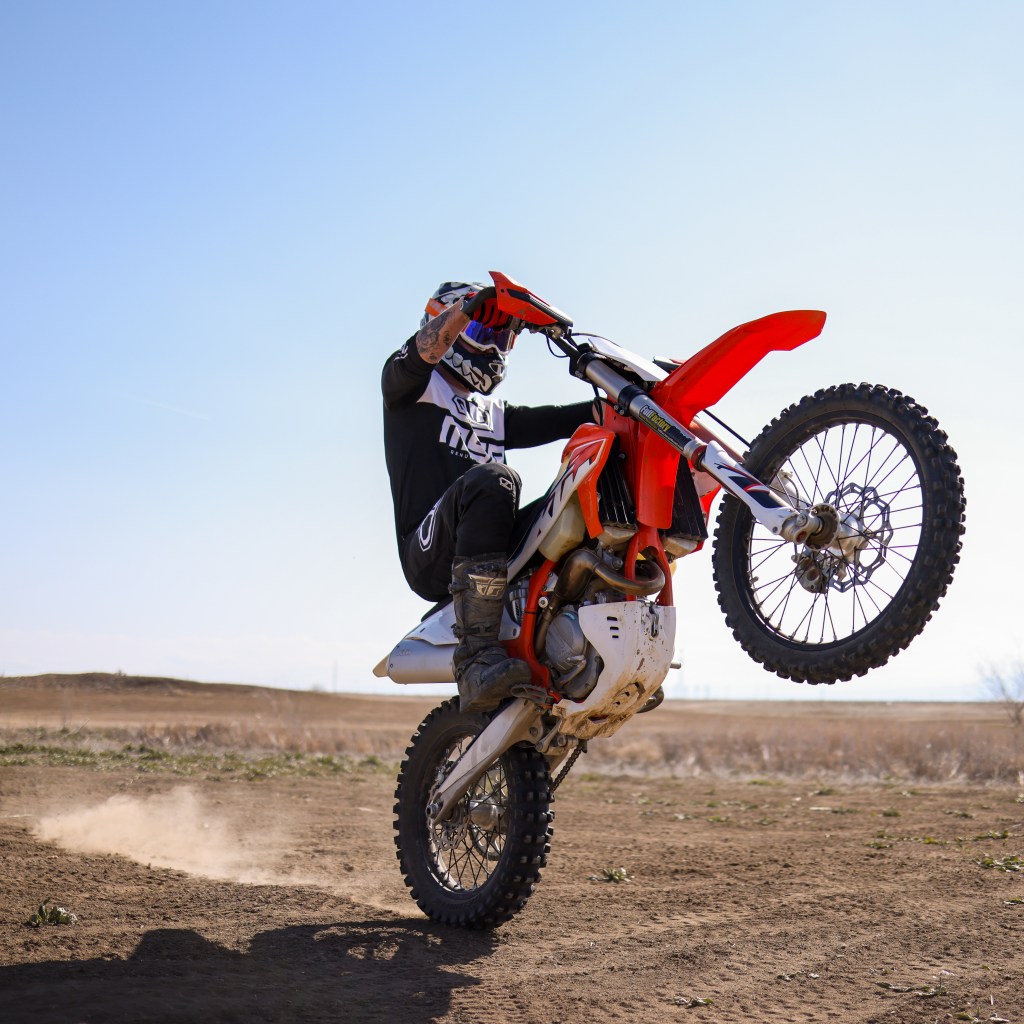
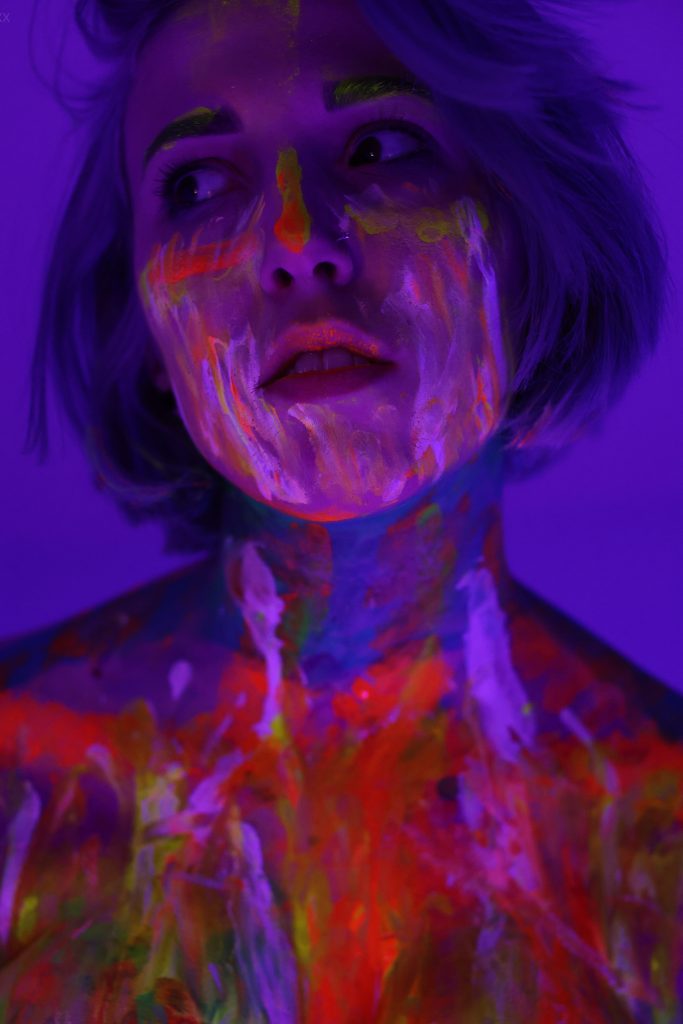
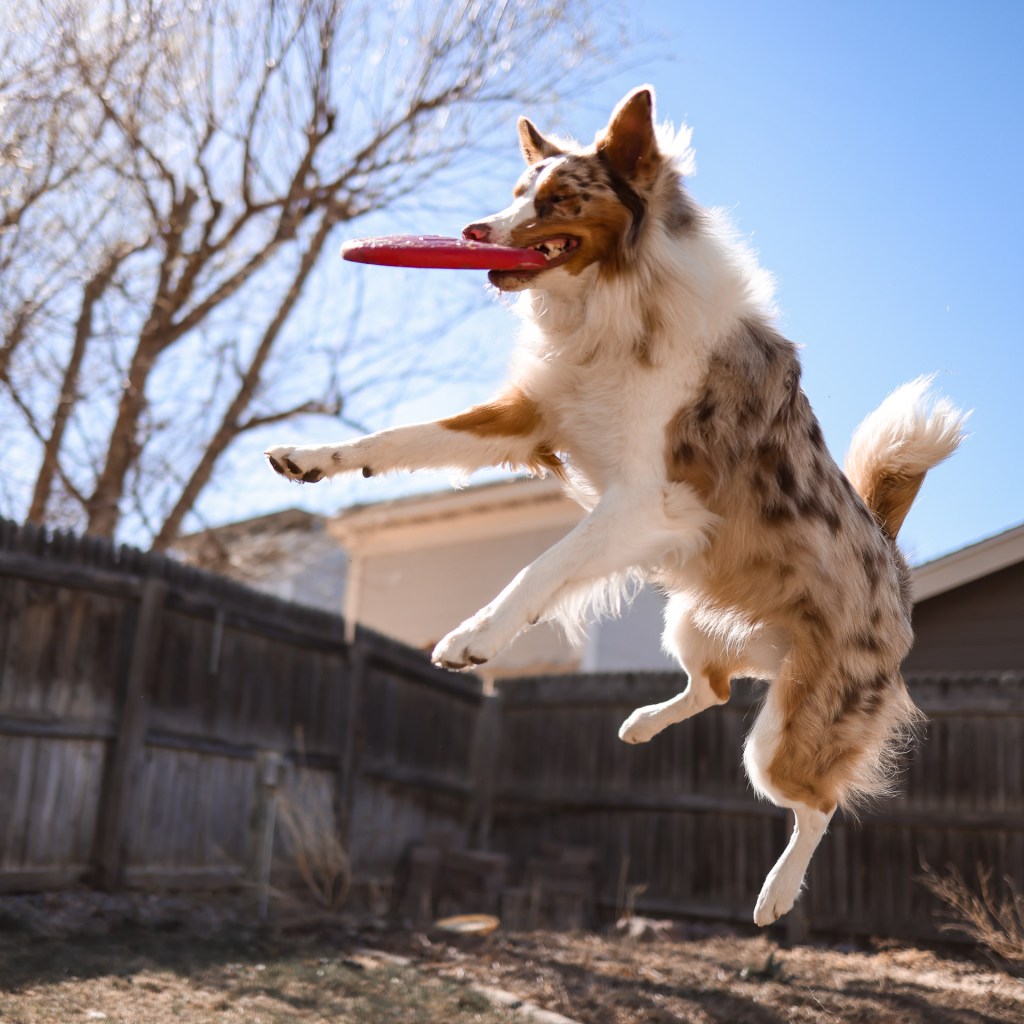
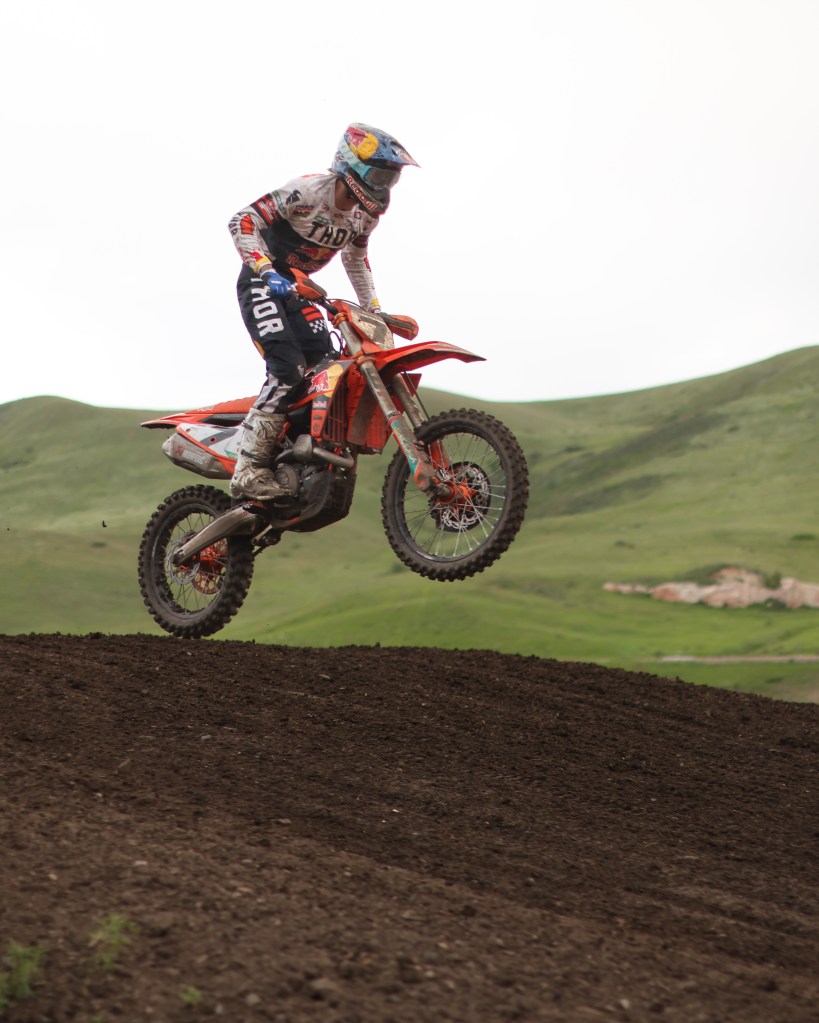
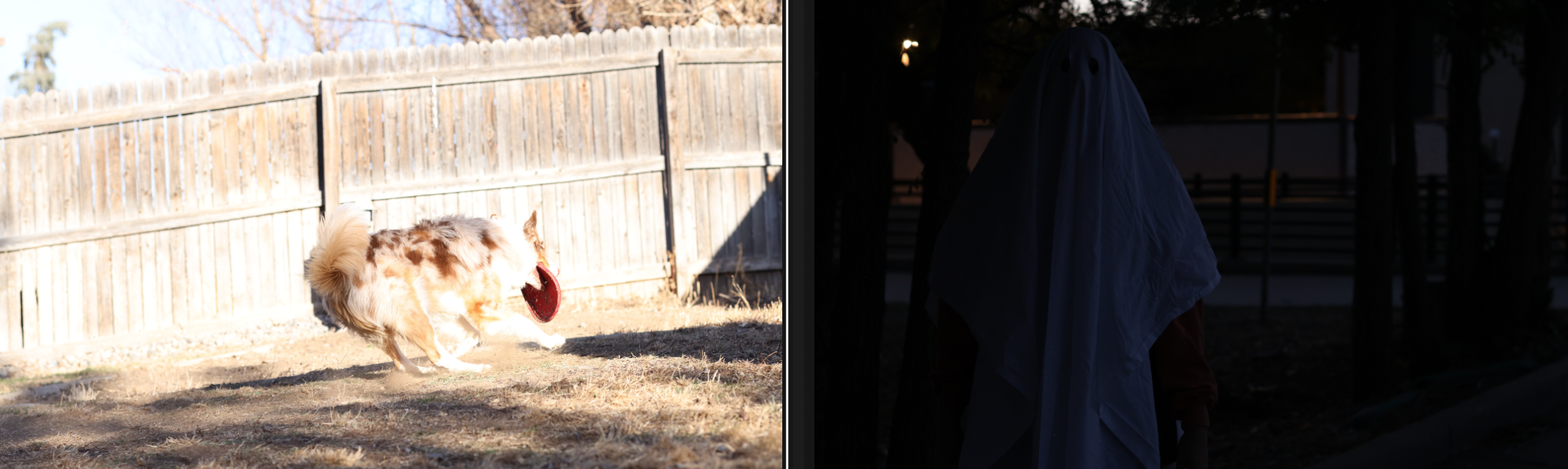
I included the most random images the first time I asked for a media pass, I’ll be honest. Photos included – a photo of my dog jumping to catch a frisbee, my sister playing trumpet in a marching band, a funky and creatively lit self portrait I took in my dark closet, a dirt bike doing a wheelie, nature photos that incorporated leading lines, random car photos I’ve taken over the years. My first portfolio was honestly pretty bad! Nothing even remotely related to concert photography, but it showed off a range of photos I can capture. It showed I had technical knowledge of my camera, can capture fast moving subjects, and can work with funky lighting. And alas, I was approved for my first concert with a media pass. After my first show, I swapped out half of my worst pics from my portfolio with new concert photos and that helped tremendously for getting approved for my second show!
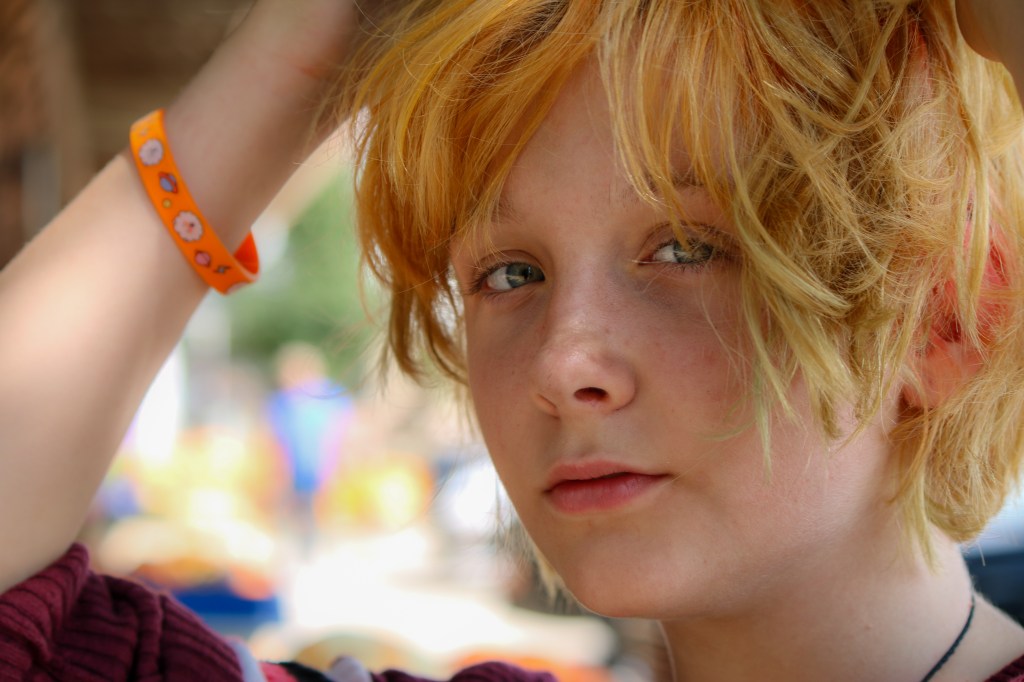
Here are some of the photos I included in my first concert portfolio:

Check out my current concert portfolio, here!
Q&A
Q: How many photos should I include in my portfolio?
A: A good portfolio has 10-25 of your BEST images. It is okay to have a few more or few less, but the most important part is for you to ONLY include your best photos. Your goal is to show what your capable of without overwhelming the viewer.
Q: Where do I start?
A: I would start by going through all of your existing photos and saving all of your best photos to one place. Look through all of your best images. I recommend including photos from each of the following categories- Low lighting, fast moving subjects, creative portraits, great composition, and photos that showcase creative lighting. Where are you lacking? Go try your hand at photographing these concert photography inspired skills.
Q: Where should I put my portfolio so people can see it?
A: There are many places you can build a photography portfolio, such as the popular photo sharing site, 500px. However, when I was first starting out, I used Instagram. Instagram is a great tool to not only show off your best photos, but to build a following as well! You’ll need a place to share your concert photos after you take them, anyways. I also include a public google photo album link to my photos to give them options. Also, it is easy and cheap to make a WordPress blog website to showcase your portfolio!
Q: What if I don’t have any photos like these?
A: I would include 10 or so of your photos that showcase your best photography skills. If you don’t have any low light, fast moving photography to include, I suggest you go attempt to shoot some. If you’ve never done it, you might not realize how difficult it can be and you’ll show up to your first show (if you get selected for a media pass) very unprepared! A media promoter or public relations manager, the person you’re often times asking to photograph a concert, wants to see your skills. They want to make sure you’re going to be able to shoot the concert and get clear, well lit images. If you don’t have photos that show this already, I recommend you start taking some for better chances at being approved.
Q: Where do I send my portfolio in order to obtain a media pass?
A: You’ll want to find a smaller concert venue in your area, pick a concert you want to shoot (preferably a small band for your first time), head over to their contact page, find the email for their media promoter, or just their “contact us” email if you can’t find the media promoter. Send them an email explaining that you’re a freelance photographer looking to photograph “xyz” concert on “date xyz” and link them to your portfolio. Then wait and hope for a response back! FYI: Many venues will not respond to you when you are small, new, freelance, or emailing their general inquiry email. I recommend just trying another venue if you don’t hear back from one. There are more and better ways to get media passes, but when you’re first starting out, this is what I’d recommend. You can even email them asking if there are any shows they’re hoping to get photographed. There usually are many shows that are uncovered photography-wise.
Q: Do You Need Expensive Gear for Concert Photography?
A: No. Promoters care about results, not camera bodies. I’ve been approved for shows based on portfolios that included photos taken on entry-level cameras and non-concert subjects. Energy Level, emotion, and lighting matter far more than gear.
Conclusion
Building a concert photography portfolio before your first live show is achievable by focusing on key aspects of concert photography, such as low lighting, fast-moving subjects, dynamic portraits, and creative use of color and light. By showcasing these skills through alternative subjects and scenarios, you can create a portfolio that highlights your readiness for capturing live performances. As you gain experience with live concerts, your portfolio will naturally expand, but a well-rounded initial showcase can set you on the right path.
Just got approved for your first concert media pass?
Don’t worry — I’ve got you covered. Check out Your First Concert Shoot: What to Do from Entry to Encore to help calm your pre-show jitters and make your first shoot a success.
Check out my some of my concert coverage!
Belmont Live at The Oriental – Full Gallery
A Lot Like Birds Live at HQ – Full Gallery
Belmont Live in Denver: From Behind the Lens to the Front Row
A Lot Like Birds Live in Denver: Capturing the Chaos and Emotion
Check out my concert portfolio!
What is Exposure in Photography?
Exposure in photography is all about balancing light to create the perfect image. Learn how to master the Exposure Triangle—aperture, shutter speed, and ISO in this post!
 KRx Media
3 responses to “How to Build a Concert Photography Portfolio (Without Experience)”
Love this. I’ve been thinking a lot about how photographers get picked to shoot for concerts when it gets dark and there’s flashing lights everywhere. Like what kind of equipment they use and how they even practice. There’s a whole bunch of recognized photo’s of musicians when they perform, and it’d be sick to capture that one photo that would be iconic. Gonna need to practice myself!
LikeLike
Hi, thank you so much for your kind words. :) Concert photography can definitely be a challenge with the low light and constantly changing conditions, but that’s what makes it so exciting! 🎸 It’s cool to know that with a little practice, you can capture some of the next most iconic shots. I can’t wait to see your progress! Feel free to reach out if you ever need more tips along the way. :)
LikeLiked by 1 person
[…] How to Build a Concert Photography Portfolio (Without Experience!) […]
LikeLike